
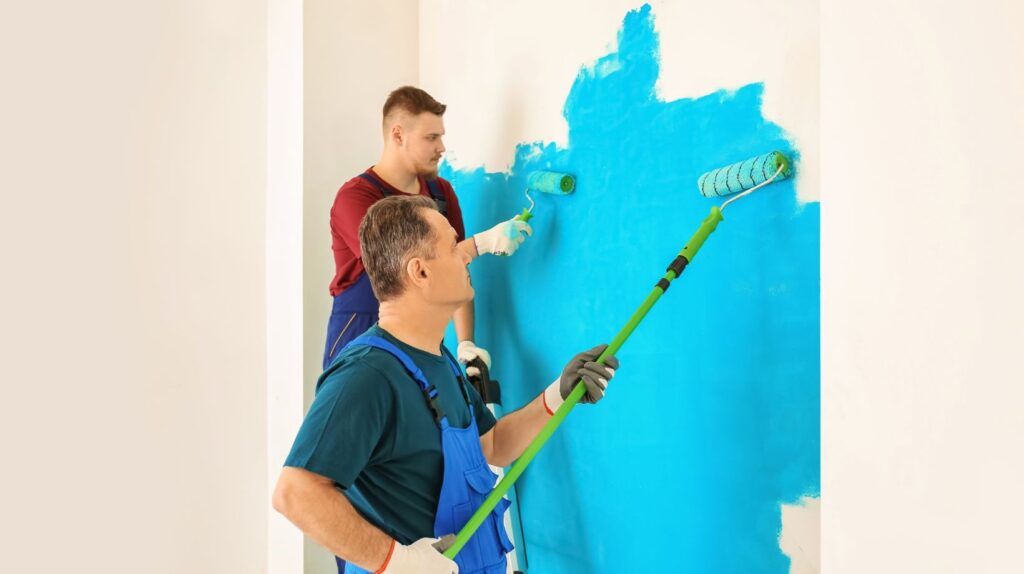
A fresh coat of paint is one of the most cost-effective improvements you can make to a home. It changes how a room feels, increases the appeal of a property to buyers, and when done properly, lasts for years without maintenance. But the gap between a professional interior paint job and a poor one is significant, and it shows every single day in the finished result.
This guide covers everything Australian homeowners need to know before hiring interior painters: what the process actually involves, what it costs, how to evaluate quotes, and what separates a skilled painter from one who will leave you with problems to fix.
Why Interior Painting Is Worth Doing Properly
Before diving into the how-to, it is worth understanding the stakes involved.
A quality interior paint job done with proper preparation, the right products, and sound technique will hold up for eight to twelve years in most living spaces. A rushed or poorly prepared job may begin to show problems within one to three years: peeling around windows and doors, uneven sheen, visible roller marks, cracking where surfaces were not properly primed, and yellowing in areas that received inadequate coverage.
The financial case for professional interior painting is also compelling for homeowners preparing to sell. A quality paint job can add 5 to 10 percent to a property’s sale price. On a home valued at $700,000, that represents a potential uplift of $35,000 to $70,000 for an outlay that, for a three to four bedroom home, typically sits between $4,500 and $9,000. Fresh paint also signals to buyers that a home is well-maintained, reducing the incentive to negotiate the price down.
For homeowners staying put, the return is less financial and more daily. A home that has been painted well simply feels better to live in.
What Professional Interior Painting Actually Involves
The work that happens before the first coat of paint goes on the wall determines the quality of the finished result more than any other factor. Understanding the full process helps you ask the right questions when evaluating quotes and managing expectations during the job.
Preparation. A thorough prep phase includes washing walls to remove grease, dust, and residue from the existing surface. Cracks, holes, and nail pops are filled with the appropriate filler, sanded smooth, and checked for levelness. Peeling or flaking paint is scraped back before any new coat is applied. Mouldy or moisture-affected areas require treatment with a suitable primer or stain block before painting over them, otherwise the problem resurfaces through the new coat within months.
Masking and protection. Floors, furniture, and fittings are covered with drop sheets and masking tape is applied to edges, cornices, skirting boards, and window frames to ensure clean lines. The time invested in masking directly affects the precision of the finished result.
Priming. Fresh plaster, bare timber, and surfaces that have been heavily patched all require a primer coat before topcoats are applied. Skipping primer on these surfaces leads to uneven sheen and poor adhesion. On colour changes, particularly from dark to light, a tinted primer significantly reduces the number of topcoats required to achieve full coverage.
Application. Walls are cut in at edges and corners with a brush, then rolled to the main field. A quality applicator, maintained at the right speed and pressure, produces an even, stipple-free surface. Ceilings are typically painted first, then walls, then doors, architraves, and skirting boards in sequence. On most residential interiors, two topcoats are standard for walls and ceilings. Trim work generally requires greater care and precision due to the small, detailed surfaces involved.
Clean-up and touch-ups. A professional painter leaves the site clean at the end of each day and conducts a final walkthrough with the homeowner after completion to identify any areas requiring a touch-up before the job is signed off.
How Much Does Interior Painting Cost in Australia?
Pricing for interior painting in Australia varies based on the size of the home, ceiling height, surface condition, the scope of work, and the products specified. Here are some realistic figures.
Per square metre: Interior painting costs between $20 and $60 per square metre of wall area, depending on surface condition and finish type. Standard work with light preparation and two topcoats sits toward the lower end of this range. Textured finishes, extensive patching, or high ceilings push costs toward the higher end.
Per room: A single bedroom typically costs between $500 and $900, including walls, ceiling, and standard trim. A larger living or dining room runs $700 to $1,500 depending on size and complexity. Kitchens and bathrooms are generally smaller but involve more detailed cutting-in around cabinetry and tiles, with costs ranging from $300 to $1,000 per room.
Whole home: For a full interior repaint of a standard three-bedroom home, including walls, ceilings, doors, skirting boards, and architraves, Australian homeowners should budget between $4,500 and $9,000. Larger four to five bedroom homes can run from $7,500 to $12,000 or beyond, depending on ceiling heights, surface condition, and the extent of preparation required.
Several factors move a quote toward the higher end of these ranges:
Ceiling height. Standard 2.4-metre ceilings are the most efficient to paint. Vaulted ceilings, double-height entries, or stairwells require scaffolding, additional time, and in some cases specialist equipment. These areas are frequently priced as a separate allowance in detailed quotes.
Surface condition. Walls with significant cracking, heavy texture, old oil-based paint requiring de-glossing, or moisture-damaged areas require more preparation time and often additional products. A quote that does not separately identify surface preparation is likely not accounting for these costs transparently.
Colour change. Painting over a dark colour with a light one, or vice versa, almost always requires an additional coat to achieve full, even coverage. Some painters include this in their base pricing, others quote for two coats and charge a variation if a third is required. Clarify this before work begins.
Feature walls and decorative finishes. Textured finishes, two-tone applications, and pattern work require additional skill and time. These are typically priced separately from standard wall rates.
Choosing the Right Paint for Your Interior
The paint your painter specifies affects both the cost of the job and the longevity of the result. Understanding the key variables helps you have a more informed conversation with your painter about what is being quoted.
Water-based acrylics are the standard for interior walls and ceilings in Australia. They have low odour, dry quickly enough to allow multiple coats in a day, are easy to clean up, and in quality formulations provide excellent washability and durability. The quality tier matters: premium acrylics from established brands like Dulux, Haymes, or Taubmans contain higher pigment loads and better binders than budget alternatives, which means better coverage and longer-lasting finish.
Oil-based paints are less common than they were a decade ago but are still used in some applications, particularly for doors, timber trim, and surfaces that require a hard, smooth finish that withstands heavy use. They take longer to dry, have a stronger odour, and require solvent-based cleaning, but the finish quality on trim work can be superior to water-based alternatives when applied by an experienced painter.
Sheen level is a separate decision from product type and one that significantly affects both the appearance and the practicality of the finished surface:
Flat or matte finishes reflect the least light and hide surface imperfections well, making them suitable for ceilings and low-traffic rooms where the walls are in less-than-perfect condition. They are not washable and are easily marked by contact.
Low-sheen or eggshell finishes are the most practical choice for living areas and bedrooms. They have a gentle glow that adds warmth to a room without being reflective, and they are washable in most modern formulations.
Satin finishes are appropriate for hallways, children’s rooms, and kitchens where walls see more contact and require more frequent cleaning.
Semi-gloss and gloss finishes are standard for doors, skirting boards, and architraves. They are highly durable and washable but reflect imperfections on wall surfaces, which is why they are rarely used on walls.
A good painter will advise on sheen selection for each surface based on the room’s use and the condition of the walls. Be cautious of quotes that specify a single sheen level across all surfaces in a home, as this rarely reflects a considered approach to the project.
DIY vs Professional: An Honest Assessment
Painting is a trade that looks more accessible than it is. The tools are available at any hardware store, the materials are not controlled, and the barrier to starting seems low. The reality is that the quality gap between a professional interior paint job and a DIY one is visible, and it stems from factors that are difficult to replicate without experience.
Preparation is the most significant one. A professional painter knows how to identify surfaces that need priming, how to prepare surfaces that have been previously painted with incompatible products, and how to treat moisture-affected areas so the problem does not reappear. DIY painters frequently underestimate preparation and overpaint problems that emerge through the new coat within months.
Application technique also matters more than most people expect. Achieving consistent coverage without roller marks, cutting in edges cleanly without running, and maintaining a wet edge to avoid lap marks are skills developed through repetition. The difference between a wall that has been painted well and one that has been painted poorly is most visible in raking light, and in daily life, raking light is exactly how you view most walls.
DIY painting saves on labour but typically costs $300 to $700 per room in materials, takes significantly more time, and produces results that frequently require professional remediation within a few years. For rooms or whole homes where the result will be seen and lived with every day, professional painting is the more economical choice over any meaningful time horizon.
How to Evaluate and Hire Interior Painters
The painting industry in Australia has low barriers to entry, and quality varies considerably. A methodical approach to hiring protects you and increases the likelihood of a result you are happy with.
Verify licensing. Several Australian states require painting contractors to hold a current licence for residential work above a minimum contract value. In New South Wales, painters performing work over $1,000 must hold a current licence issued by NSW Fair Trading. Queensland, Western Australia, and South Australia have similar requirements. Check your state’s licensing body and verify the licence number before accepting any quote. Unlicensed operators have no minimum standards obligation and no insurance requirement, which leaves you with no recourse if the work is substandard.
Ask for a written, itemised quote. A professional painter should provide a quote that specifies the rooms included, the surfaces to be painted, the number of coats, the products being used by brand and product name, and what preparation work is included. A quote that provides only a single total figure without this detail makes it impossible to compare accurately with other quotes and leaves scope for disputes about what was agreed. Any quote provided without inspecting the property in person is not a reliable figure.
Get three quotes and compare them on scope, not just price. The lowest quote is not always the best value. A painter quoting significantly below the others may be excluding preparation, specifying fewer coats, or using lower-specification products. When comparing quotes, confirm that each one covers the same rooms, surfaces, number of coats, and preparation scope before drawing any conclusions from the price difference.
Check reviews from multiple platforms. Google reviews, Houzz, and social media all carry painter reviews. Look for consistent patterns across multiple reviews rather than isolated comments. Positive feedback about preparation quality, clean and tidy workmanship, communication during the job, and how issues were handled tells you more than a star rating alone.
Ask about the products being used. A painter who cannot tell you what brand and product they are using on your walls has not thought carefully about the specification for your project. A painter who can explain why they are recommending a particular product for your surfaces, and what the alternative options are, is demonstrating genuine expertise.
Confirm what is not included. Moving furniture, removing light switch covers and door hardware, painting inside built-in robes, and repainting feature walls in a different colour to the rest of the room are all items that sometimes appear in quotes as inclusions and sometimes do not. Clarify the scope in writing before work begins.
What to Expect During the Job
A professional painting team working on a three to four bedroom home interior will typically complete the job in three to seven days, depending on scope and the number of painters on site. During this time, the home remains liveable, with the team working room by room to minimise disruption.
On the first day, preparation is the primary focus: washing surfaces, filling and sanding, masking, and priming any areas that require it. Painting typically begins from day two, with ceilings completed before walls and trim work left until last.
Expect some odour during the job, even with low-VOC water-based products. Ventilation helps significantly. Oil-based products used for trim work have a stronger odour that dissipates over two to three days.
Water-based paints are dry to touch within an hour and recoatable within four hours under normal conditions. Trim work in oil-based products takes eight hours or more between coats. Most interior jobs are complete and fully cured within a week of the final coat being applied.
Getting the Most Out of Your Investment
A professional paint job is a long-term asset that rewards proper maintenance.
Clean painted walls with a damp cloth and a mild detergent when needed, working gently to avoid removing the sheen. Avoid abrasive cleaners on matte or low-sheen surfaces.
Touch up scuffs and marks promptly using the same product and sheen level as the original coat. If the original painter provides leftover paint in labelled tins, keep them: touch-ups applied with the correct product years later are far less visible than those done with a different product or sheen.
In high-traffic areas like hallways and family rooms, a slightly higher sheen level at the time of painting will extend the time before a full repaint is needed. Discuss this with your painter when deciding on sheen selection.
With the right products, proper preparation, and skilled application, an interior paint job should remain in excellent condition for a decade or more before a full repaint is warranted.