Commercial buildings face the weather every day, not just during dramatic storms. Sun, wind, rain, temperature shifts, and airborne moisture all place steady pressure on exterior surfaces over time. Even when damage is not immediately visible, long-term exposure can slowly affect structural materials, indoor comfort, energy performance, and maintenance costs. Roofing and cladding services help protect commercial properties by strengthening the outer envelope that separates indoor operations from changing outdoor conditions. When these systems are properly installed, maintained, and repaired, they help buildings resist gradual decline and remain more dependable over years of environmental stress and seasonal wear.
Long-Term Weather Defense
- Roofing Helps Shield the Building From Constant Overhead Exposure
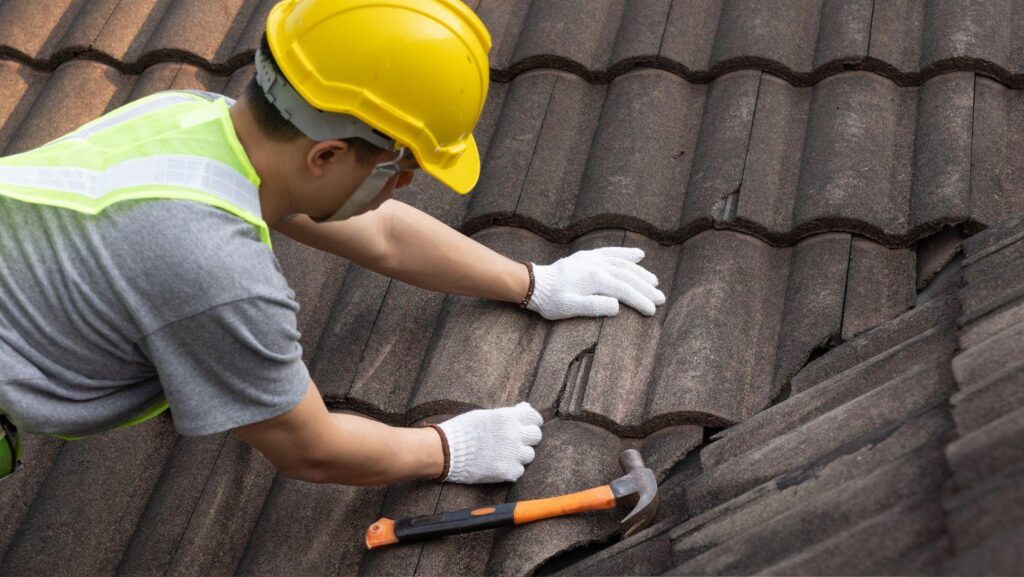
The roof of a commercial building absorbs a large share of long-term weather exposure because it remains directly exposed to sun, rainfall, standing moisture, wind pressure, and debris movement throughout the year. Over time, even small weaknesses in roofing materials, seams, flashing, drainage pathways, or surface protection can allow deterioration to spread more easily than building owners expect. Roofing services help protect against that slow decline by keeping the building’s uppermost barrier capable of withstanding repeated environmental stress. This matters because water entry from above does not always appear as an immediate interior leak. In many cases, weather-related roof problems begin quietly, affecting insulation, underlying materials, or structural components before visible signs finally appear. Commercial roofing work supports long-term protection by identifying wear early, preserving drainage performance, and helping the roof continue functioning as a reliable shield rather than a vulnerable entry point for moisture and heat. When a roof remains in good condition, the building beneath it is less likely to face ongoing disruption from preventable weather-related deterioration.
- Cladding Reduces the Effect of Wind, Rain, and Temperature Swings
Cladding services play a major role in protecting commercial buildings because walls face long-term exposure that can be just as damaging as problems at the roofline. Wind-driven rain, repeated wet-and-dry cycles, ultraviolet exposure, and ongoing temperature changes can all wear down wall assemblies if the building envelope is not properly protected. Cladding acts as a defensive layer that helps the building resist direct environmental pressure while supporting a more controlled relationship between the exterior and the structure behind it. That function becomes increasingly important over time because wall exposure is constant, especially on larger commercial properties with broad façades and multiple elevations. In discussions about exterior protection, phrases such as “Canberra roofers“ may draw attention to roofing. Still, wall cladding is equally important in helping the full outer shell of a commercial building remain more resistant to prolonged exposure to weather conditions. When cladding systems are installed or maintained correctly, they help reduce moisture intrusion, protect underlying materials, and limit gradual weather-related wear that can otherwise shorten the life of the building envelope.
- Better Exterior Protection Helps Prevent Hidden Deterioration
One of the main reasons roofing and cladding services matter is that long-term weather damage often develops out of sight before building owners realize how much the exterior has been compromised. Water can move behind failing panels, degraded sealants can allow moisture to reach vulnerable joints, and repeated expansion and contraction from temperature changes can weaken attachment points or surface integrity over the years. These issues do not always create immediate visible damage from the outside. Yet they can slowly affect the building’s performance in ways that become much more expensive to address once they are finally discovered. Roofing and cladding services help interrupt that pattern by addressing surface wear before it becomes a broader structural or operational problem. This is particularly important for commercial properties because a building’s exterior must protect not only the structure itself but also the people, equipment, inventory, and daily activity inside. When the outer layers are neglected, the risk is not limited to appearance. It extends to moisture damage, reduced efficiency, repair disruption, and a shorter service life for important parts of the building.
- Weather Resistance Also Supports Indoor Performance
Roofing and cladding protection is closely tied to indoor conditions because the building envelope influences how well the structure manages temperature, moisture, and general environmental stability. A commercial property exposed to long-term weather without strong exterior protection may begin to show signs of indoor discomfort, uneven temperatures, or increased strain on heating and cooling systems. Rain penetration, heat gain through weakened roofing surfaces, and thermal movement in exterior walls can all affect how the building performs on the inside, even when the original problem begins outside. Roofing and cladding services help reduce those effects by keeping the envelope more intact and responsive to the pressures it faces year after year. This matters in commercial settings where comfort, equipment performance, product storage, and employee productivity can all be affected by the gradual deterioration of the building envelope. If the roof and wall systems are performing as intended, the building is better able to maintain a steadier indoor environment. That makes weather protection more than a matter of exterior upkeep. It becomes part of maintaining daily operational reliability across the property.
- Maintenance and Repair Help Buildings Age More Safely
Long-term weather exposure cannot be avoided, but the way a building ages under that exposure can be influenced strongly by timely roofing and cladding services. Commercial exteriors are not static surfaces that remain unchanged after installation. They expand, contract, collect residue, endure storm cycles, and respond to years of environmental stress in ways that eventually require attention. Maintenance and repair help buildings age more safely by correcting weaknesses before they become larger points of failure. A loose flashing section, a deteriorated joint, a corroded fastener, or a damaged cladding panel may seem minor in isolation. Still, over time, these lead to broader weather-related developments. Addressing them earlier helps preserve continuity across the building envelope and reduces the risk that one damaged area will affect adjacent materials. For commercial properties, this preventive role is important because exterior failures can lead to costly interruptions, interior damage, and unplanned repairs that affect tenants, staff, or business operations. Ongoing service helps keep the exterior dependable, rather than forcing the building to endure years of unchecked exposure until problems can no longer be ignored.
- Exterior Services Protect More Than Appearance
It is easy to think about roofing and cladding in visual terms because they influence how a commercial property looks from the street, but their deeper value comes from the protective role they serve over time. A clean and well-maintained exterior may improve appearance. Yet, the more important benefit is that it continues to defend the building against the weather month after month and season after season. Roofing and cladding services help commercial properties preserve function, not just presentation. They support drainage, limit moisture entry, reduce exposure at vulnerable joints, and help the building envelope remain more resilient as conditions change over the years. That kind of support becomes increasingly valuable as properties age, because long-term weather stress rarely affects only one part of the exterior. It tends to spread gradually across surfaces, edges, seams, and transitions if left unaddressed. By maintaining both roofing and wall protection, commercial building owners are investing in the property’s overall durability rather than waiting for visible damage to confirm that the weather has already gained ground.
Long-Term Protection Depends on Exterior Care
Roofing and cladding services help protect commercial buildings from long-term exposure to the elements by preserving the outer systems that withstand the constant pressures of sun, rain, wind, and temperature fluctuations. They help reduce hidden deterioration, support more stable indoor conditions, and extend the useful life of the building envelope through timely repair and upkeep. Commercial properties rely on their exterior surfaces every day, even when weather damage is not obvious. When those surfaces remain strong, the building is better prepared to handle gradual environmental wear without passing the consequences inward. That is why consistent exterior service matters so much over the long term.