
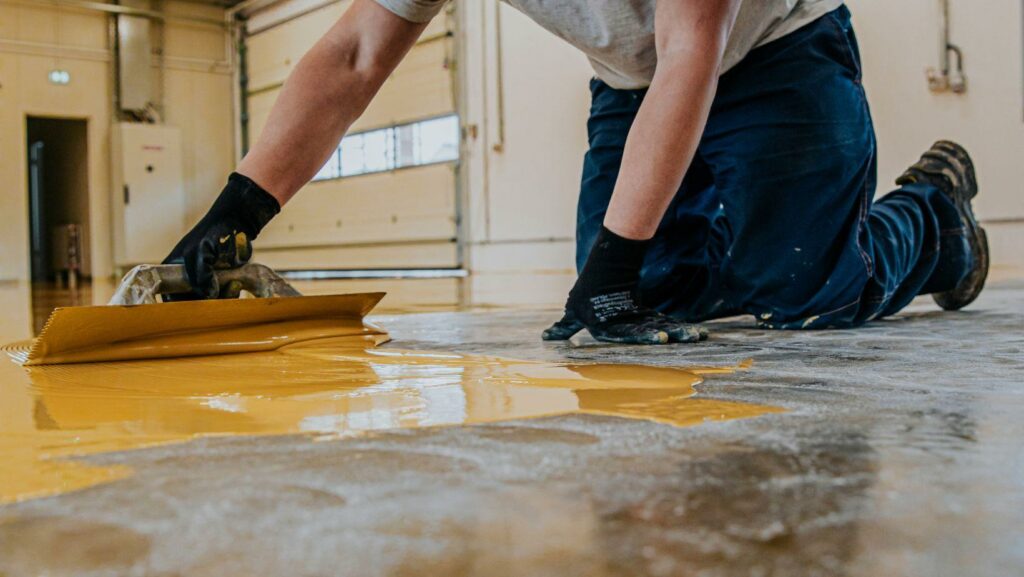
Protective coatings are easy to underestimate. When they’re applied correctly and doing their job, they fade into the background. Surfaces look clean, equipment functions as expected, and nothing draws attention to the coating itself. Problems only surface when the coating fails — and by then, the damage is often well underway.
What many people don’t realise is that most coating failures aren’t caused by dramatic events. They’re the result of early decisions that seemed reasonable at the time but didn’t account for how the surface would actually be used. This is why projects that source products through experienced epoxy coating suppliers tend to perform very differently over time than those that treat coatings as a simple, interchangeable layer.
The difference between durability and disaster usually comes down to understanding what a coating needs to withstand, not just how it looks on day one.
Coatings Fail for Predictable Reasons
When a coating breaks down, it’s rarely a mystery. The cause can almost always be traced back to a mismatch between the coating system and its environment.
Common failure triggers include:
- Exposure to chemicals the coating wasn’t designed to resist
- Constant abrasion or impact
- Thermal expansion and contraction
- Moisture ingress beneath the surface
- Lacking sufficient thickness
- Being poorly bonded to the substrate
- Having inadequate chemical resistance
- Delamination
- Blistering
- Uneven wear
- Early cracking
- Chemical exposure from cleaning agents or processes
- Foot or vehicle traffic levels
- UV exposure
- Temperature fluctuations
- Coatings are applied thinner than specified
- Multiple layers aren’t allowed to cure properly
- Build is inconsistent across the surface
- Surfaces soften or swell
- Coatings discolour
- Protective barriers weaken
- Cracks form
- Moisture penetrates
- Adhesion weakens
- Frequent repairs
- Unexpected downtime
- Premature replacement
- Damage to underlying structures
- Understanding expected wear patterns
- Knowing which areas will degrade first
- Scheduling inspections before failure occurs
- Poor adhesion between layers
- Uneven curing
- Reduced performance across the entire system
- Real-world conditions, not ideal ones
- Long-term performance over upfront cost
- Prevention rather than repair
When these factors aren’t considered early, even a well-applied coating can fail prematurely.
Appearance Isn’t Performance
One of the biggest mistakes is choosing coatings based on appearance alone. Smooth finishes, high gloss, or uniform colour can create confidence, but they say very little about long-term performance.
A coating can look perfect while:
By the time visual defects appear, the underlying protection is often already compromised.
Surface Preparation Is the Silent Decider
Even the best coating will fail if it’s applied to a poorly prepared surface. Preparation doesn’t just affect adhesion — it determines how the coating behaves under stress.
Inadequate preparation can lead to:
Because preparation happens before the coating is visible, it’s often rushed or undervalued. Yet it’s one of the strongest predictors of long-term success.
Not All Environments Are Equal
Coatings experience very different stresses depending on where and how they’re used. A coating that performs well in one setting may fail quickly in another.
Environmental factors to consider include:
Choosing a coating without fully understanding these conditions is like choosing footwear without knowing the terrain.
Thickness and Build Matter More Than People Think
Thin coatings may look neat, but they often lack the resilience required for demanding environments. Thickness affects impact resistance, wear life, and barrier protection.
Problems arise when:
These issues aren’t always visible, but they significantly reduce durability.
Chemical Resistance Is Often Overlooked
Many environments expose surfaces to chemicals indirectly. Cleaning products, spills, vapours, and residues all interact with coatings over time.
Without adequate resistance:
Chemical degradation is often gradual, making it easy to miss until failure accelerates.
Flexibility Prevents Cracking
Rigid coatings can struggle in environments where movement is unavoidable. Substrates expand, contract, and flex — especially with temperature changes.
If a coating can’t accommodate that movement:
Once cracking begins, failure tends to spread quickly beneath the surface.
Short-Term Savings Create Long-Term Costs
Choosing a cheaper coating system often feels like a practical decision. The surface looks fine, the budget is met, and the project moves forward.
The cost shows up later in the form of:
What seemed like a saving becomes an ongoing expense.
Maintenance Is Part of the System
No coating is completely maintenance-free. Durable systems are designed with maintenance in mind, not avoidance.
Effective maintenance planning includes:
When maintenance is ignored, small issues turn into major ones.
Why Compatibility Matters
Coatings don’t exist in isolation. They interact with primers, substrates, sealers, and topcoats. Compatibility between these layers is critical.
Incompatible systems can result in:
Using products that weren’t designed to work together increases risk, even if each product performs well individually.
The Role of Informed Decision-Making
Durability isn’t about choosing the “strongest” product — it’s about choosing the right one. That requires understanding how the surface will be used, what it will be exposed to, and how failure would affect operations.
Informed decisions focus on:
This approach reduces surprises and extends service life.
Where Most Failures Actually Begin
Most coating disasters don’t begin with poor workmanship or bad luck. They begin with assumptions — about use, exposure, or longevity.
When coatings are chosen without a clear understanding of their role, they’re set up to fail. When they’re selected as part of a system, with environment and maintenance in mind, they quietly do their job for years.
Durability Is Designed, Not Hoped For
The coatings that last aren’t the ones that look best on installation day. They’re the ones that were chosen thoughtfully, applied correctly, and matched to their environment.
Separating durability from disaster comes down to respecting coatings as protective systems, not cosmetic finishes. When that shift happens, surfaces stop being a liability and start being an asset — one that performs long after the initial shine has faded.