
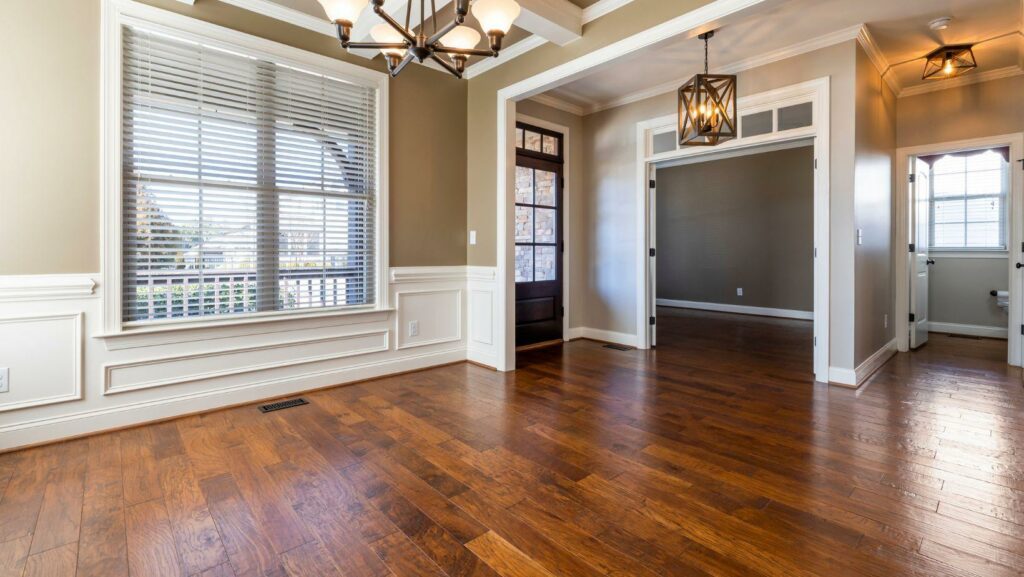
Flooring is one of those decisions that feels permanent the moment it’s installed. Unlike paint or furniture, it’s not something most people want to revisit every few years. Yet many homes end up with floors that look tired far sooner than expected, even when they were stylish at the time.
The difference usually isn’t about budget. It’s about how well a flooring choice responds to time, wear, and changing tastes. Some materials soften and improve as they age, while others show every scratch, fade, or trend shift almost immediately.
Natural timber is a good example. Options like french oak floors tend to mature gracefully, developing character rather than looking worn out. Other materials, especially those chosen for short-term impact, can start to feel dated or damaged much sooner than homeowners expect.
What “Aging Well” Really Means
When people talk about flooring aging beautifully, they’re not talking about perfection. They’re talking about resilience and relevance.
A floor that ages well will:
- Hide everyday wear rather than highlight it
- Develop patina instead of damage
- Still feel appropriate years after installation
In contrast, floors that don’t age well often look tired long before they need replacing structurally. The issue isn’t function — it’s appearance.
Why Some Floors Improve With Time
Materials that age well tend to share a few common traits. They’re honest in their construction and forgiving in how they show wear.
Natural materials often perform better because:
- Variations in grain or texture disguise marks
- Minor imperfections blend into the overall look
- Changes feel organic rather than accidental
With timber, stone, or quality composites, signs of use add depth. Scratches don’t scream “damage” — they tell a story.
The Problem With Chasing Trends
One of the fastest ways to end up with dated flooring is choosing something purely because it’s fashionable. Trends move quickly, but floors stay put.
Highly stylised choices can struggle because:
- Strong patterns dominate a space
- Colour trends date faster than neutrals
- What feels bold today can feel heavy tomorrow
This doesn’t mean avoiding personality altogether. It means balancing character with longevity. Subtlety tends to outlast statement.
Finish Matters as Much as Material
Two floors made from the same material can age very differently depending on how they’re finished.
High-gloss finishes, for example:
- Show scratches and dust easily
- Highlight wear paths in busy areas
- Lose their appeal once the shine dulls
More matte or satin finishes tend to:
- Conceal everyday scuffs
- Wear evenly over time
- Feel more forgiving in lived-in homes
Choosing the right finish can extend the visual life of a floor by years.
Where Low-Maintenance Choices Fall Short
Many people prioritise low maintenance, which is understandable. But some “easy-care” options sacrifice long-term appearance for short-term convenience.
Common issues include:
- Surface layers that can’t be repaired once damaged
- Printed patterns that reveal wear unevenly
- Materials that fade rather than patinate
Once the top layer is compromised, replacement is often the only option. That’s not aging — it’s deterioration.
How Light and Space Affect Longevity
The environment a floor sits in matters just as much as the material itself. Light, traffic, and layout all influence how flooring changes over time.
Consider:
- Direct sunlight, which can cause fading
- High-traffic zones that concentrate wear
- Open-plan layouts where floors are constantly on display
Materials that age well tend to cope with these pressures without drawing attention to them. They fade evenly, wear softly, and remain visually calm.
Repairability Is an Overlooked Advantage
One major difference between floors that last visually and those that don’t is whether they can be refreshed.
Repairable floors allow for:
- Refinishing rather than replacement
- Localised repairs instead of full tear-outs
- Style updates without changing the base material
When a floor can be restored, it extends its relevance far beyond its initial look.
What Dates a Floor Faster Than Wear
Sometimes floors don’t look bad because they’re damaged — they look bad because they clash with the rest of the home.
This often happens when:
- The floor is too dominant for the space
- Colour tones limit furniture and décor choices
- The style locks the home into a specific era
Floors that age well act as a foundation, not a focal point. They support changing styles rather than competing with them.
Choosing for the Life You’ll Actually Live
The best flooring choices are made with realism, not ideals. Homes are used, not preserved.
Ask practical questions:
- Will this look better or worse with daily wear?
- Can I live with how this shows damage?
- Will this still suit the space if my style changes?
Floors that age beautifully are usually the ones chosen with these questions in mind.
Longevity Is a Design Decision
Aging well isn’t an accident. It’s the result of choosing materials, finishes, and styles that prioritise consistency over impact.
The most enduring floors don’t shout for attention. They settle in, adapt to life, and quietly improve with time. When flooring is selected for longevity rather than immediacy, it stops being something you notice — and becomes something you rely on.
That’s when a floor truly earns its place in a home, not just on the day it’s installed, but for many years after.