
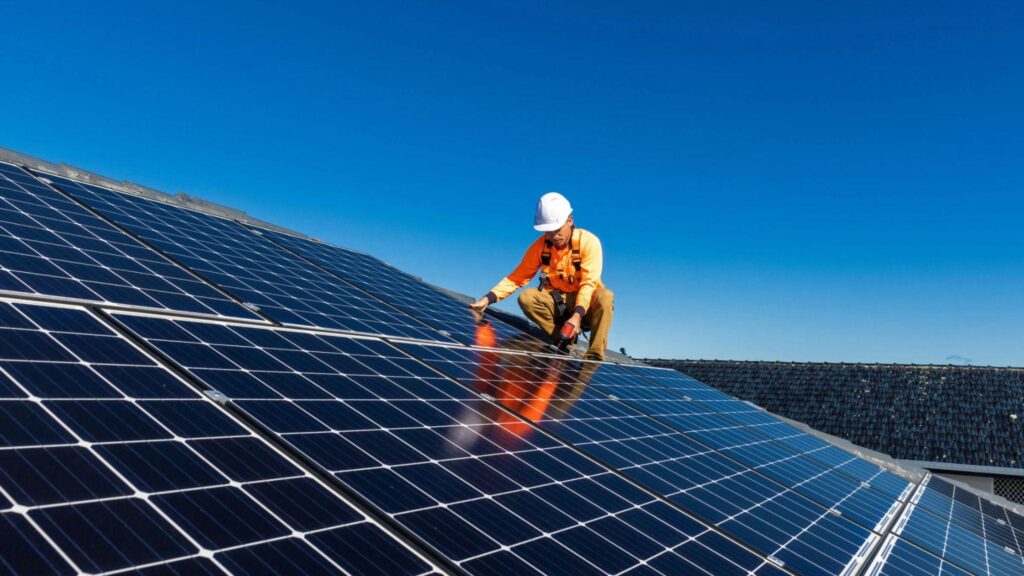
A rooftop covered in shiny solar panels can look like a major step toward lower electricity bills. Yet the hardware on display tells only part of the story. Someone researching Solar PV Abingdon-on-Thames may discover that the real difference comes from how carefully the whole system is designed, installed, and checked. Panels, inverters, mounting equipment, wiring, and energy habits all have a role. When those pieces work together, solar electricity becomes genuinely useful to the household. When they are poorly matched, even attractive panels can deliver frustrating results.
The Roof Is Part of the System
Before discussing brands or panel quantities, a good installer studies the roof. Its condition, usable area, angle, orientation, and shading all affect what can be installed and how much electricity it might generate.
A chimney can cast a surprisingly inconvenient shadow. Nearby trees may affect generation differently across the seasons. Roof coverings and structural capacity also deserve consideration, because a solar array needs secure support for many years. Installing new equipment over a roof that will soon need major repairs can make future work needlessly expensive.
A proper site assessment turns these observations into a layout suited to the building. It also gives the owner a chance to discuss appearance, access for maintenance, and any repairs worth completing first.
Sunlight Has a Schedule, and So Does the Household
Solar panels generate electricity according to available daylight, while a household uses power according to its own routine. Breakfast appliances, evening cooking, laundry, and home working rarely line up perfectly with the sun.
That is why annual electricity consumption is only one part of system sizing. An installer should review historical bills and ask when the property uses the most energy. Oversizing without considering daytime demand, export arrangements, and installation costs may create disappointing financial expectations.
Shading and seasonal changes complicate the picture further. Sensible generation estimates account for these realities rather than treating every sunny afternoon as a typical day. The result is a more useful forecast of how solar power might fit into daily life.
The Inverter Deserves More Attention Than Its Name Suggests
Panels produce direct current electricity. Most household appliances use alternating current, so an inverter converts the output into a form the property can use. Its design and capacity influence system performance and monitoring options.
Different configurations suit different roof layouts. A conventional string inverter may work well for a straightforward array, while systems with optimizers or microinverters can offer advantages in certain shading or orientation conditions. Each option has costs, maintenance considerations, and installation requirements.
A reliable contractor explains the reasoning behind the recommendation. The cleverest equipment is not automatically the right choice for every house. What matters is compatibility with the panels, the electrical installation, and realistic energy goals.
Good Wiring Is Quietly Doing Important Work
Cables rarely appear in promotional photographs, but they carry the electricity that makes the investment worthwhile. Cable sizing, routing, connections, protective devices, and isolation arrangements need careful electrical design.
Poor connections can cause faults and create safety concerns. Unsuitable cable routes may expose materials to unnecessary weathering or make future maintenance harder. Professional installation follows applicable electrical standards and the equipment manufacturer's requirements, with appropriate checks before the system operates.
This attention to detail extends to the consumer unit and grid connection. An installer must assess whether the existing electrical setup is suitable and determine what approvals or notifications apply. The homeowner should understand any additional work and its costs before installation starts.
Mounting Quality Protects More Than the Panels
A photovoltaic array spends its working life outdoors, facing wind, rain, heat, and changing temperatures. Mounting brackets, rails, fixings, and weatherproofing therefore deserve as much attention as the panels themselves.
The mounting design must suit the roof structure and covering. Careful treatment of roof penetrations helps prevent water ingress, while suitable materials and installation methods support resistance to weather and corrosion. These decisions also affect how safely technicians can inspect or repair the equipment later.
A neat installation is pleasant to look at, but workmanship matters most in the parts nobody sees from the street. Ask how the contractor will protect the roof, manage cables, and inspect the finished mounting system.
Batteries Can Help, but the Numbers Come First
Battery storage sounds appealing, particularly to a household that uses much of its electricity after sunset. It can store some surplus solar generation for later use, potentially increasing the share consumed on site.
Still, a battery introduces extra cost, conversion losses, operating limits, and eventual replacement considerations. Its value depends on electricity tariffs, household demand, storage capacity, and the way the system is controlled. Backup power is also a separate feature that needs to be designed explicitly.
A worthwhile proposal compares likely outcomes with and without storage. For some properties, shifting flexible activities into daylight hours may improve solar use without adding expensive equipment. The strongest plan starts with real consumption patterns, not an assumption that every array needs a battery.
Commissioning Is Where Promises Meet Measurements
Once installation is complete, the system needs more than a celebratory photograph. Commissioning checks verify electrical safety, correct configuration, and expected operation before normal use begins.
The installer should explain the inverter display or monitoring application, provide relevant documentation, and identify how to isolate the equipment safely when necessary. The handover should cover warranty information, maintenance expectations, and whom to contact if output looks unusual.
A clear explanation also helps the homeowner interpret performance sensibly. Output changes throughout the day and year, so one cloudy afternoon is rarely evidence of a defect. Knowing what normal variation looks like makes genuine problems easier to recognize.
A Performing System Keeps Proving Its Worth
Good solar ownership continues after the installers leave. Monitoring can reveal changes in production, while periodic visual checks and appropriate professional inspections help identify damaged components, debris, or developing faults.
Compare actual generation with reasonable expectations over time, accounting for weather and seasonal variation. If results consistently fall short, a qualified professional can investigate shading changes, inverter alerts, or equipment problems. Prompt attention may protect both output and system life.
The difference between simply owning solar panels and benefiting from a well-performing photovoltaic system is careful coordination. Thoughtful design, skilled installation, realistic projections, and useful support turn roof space into a dependable part of a property's energy strategy. That is the result worth asking an installer to deliver.