
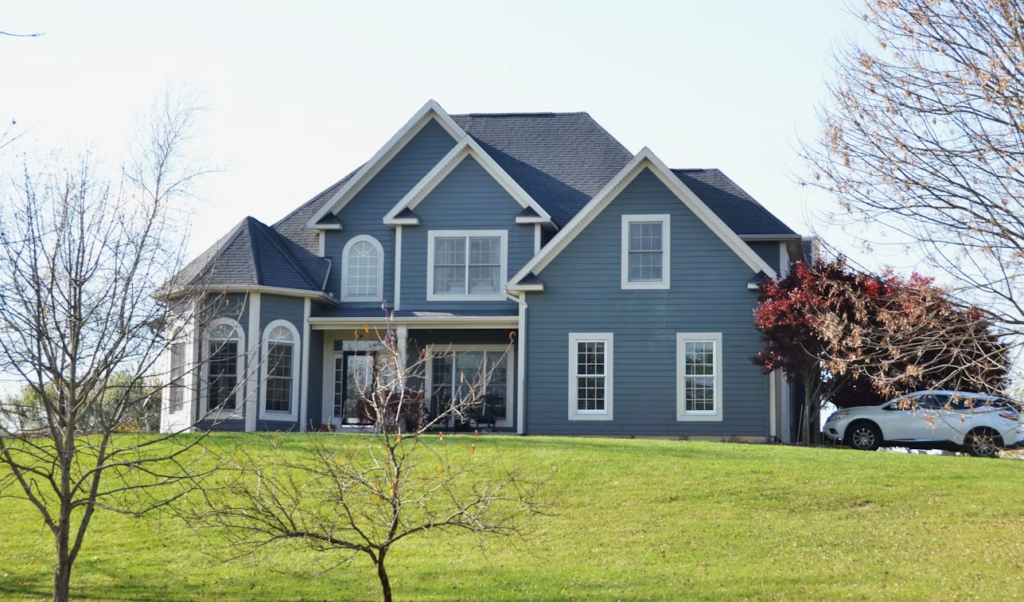
Having a house that is warm in the winter and cool in the summer without sky-high energy bills seemed impossible.
Not anymore.
Passive home design has quietly revolutionized the capabilities of a modern residence. They reduce energy consumption, maintain comfortable indoor temperatures, and are so well sealed that furnaces run minimally. Plus, the concepts involved aren’t complex.
Here’s how it all works…
Inside this guide:
- What Are Passive House Principles?
- Why Spray Foam Insulation Is So Important
- The 5 Core Passive House Rules
- How These Homes Actually Feel To Live In
What Are Passive House Principles?
Passive house refers to a standard for building homes that achieve ultra-low energy use through intelligent design. Developed in Germany in the 1990s, it has gained international popularity.
The concept is pretty simple:
- Wrap the home in heavy insulation
- Seal every single air leak
- Use windows and orientation to work with the sun
- Recover heat that would normally escape
Complete all four steps and you have a house that is comfortable year-round requiring little to no active heating or cooling. Passive homes can reduce heating and cooling requirements by up to 90% compared to standard homes.
Pretty impressive, right?
Why Spray Foam Insulation Is So Important
Spray foam insulation is one of the most used materials in passive house builds currently. And rightfully so.
Standard fiberglass batt insulation leaves small spaces uncovered. Air leaks through small spaces. ENERGY STAR reports that air leakage can account for 25 percent to 40 percent of heating and cooling energy use in the average home. Even a home stuffed full of bulky fiberglass batts can feel drafty and expensive to operate.
Spray foam insulation does both things at the same time. It is both insulates AND air-seals in one easy step. Spray foam insulation expands to fill every crack, crevice and hard to reach place that batt insulation can’t seem to get to.
For homeowners looking into professional Lancaster PA insulation upgrades, spray foam is the material contractors most commonly recommend. This is because it meets the passive house standard for air tightness. Closed-cell spray foam insulation has an R-value of approximately R-6.5 per inch. This is the highest of any standard insulation material.
What spray foam insulation does really well:
- Creates a continuous air barrier
- Fills irregular gaps and cavities
- Adds structural strength to walls
- Blocks moisture from soaking into the building
That last point is important. Passive houses are extremely airtight so poor moisture management can cause mold and rot. Spray foam does both tasks simultaneously.
The 5 Core Passive House Rules
There are five foundational rules to every passive house. Break any one of them and the whole process begins to crumble.
Superinsulation
The walls, roof and floors of a passive house have significantly higher insulation values than typical construction. Walls are typically R-40 or greater in most climates. This is where high-performance materials such as spray foam insulation really shine.
Reduce heat transfer to a trickle allowing the house to temper naturally.
Airtight Construction
Passive homes target 0.6 air changes per hour or less. That’s crazy tight compared to conventionally built homes.
To hit that number, builders use:
- Spray foam insulation throughout the envelope
- Continuous air barriers
- Sealed penetrations around wires and pipes
- Blower door testing to verify the seal
Without airtightness, all the fancy insulation in the world won’t do much.
Thermal Bridge-Free Design
Thermal bridges are locations where heat escapes through an incomplete insulation barrier. Wall studs, window frames and roof rafters are three common examples.
Passive house designers address these weak spots in the build plan. Generally this involves continuous exterior insulation and intelligent framing details.
High-Performance Windows
Regular windows are holes in your insulation. Passive house windows are not regular windows. Triple glazing, insulated frames, and low-E coatings help hold heat where you want it.
Windows are also oriented strategically. South-facing windows will receive sunlight during the winter months. North-facing windows are kept small to reduce heat loss.
Heat Recovery Ventilation
Here’s the clever part.
Passive houses have such tight construction that they require mechanical ventilation for fresh air. An HRV vents stale air outside and draws fresh air in. But it first recovers most of the heat from the stale air.
That means fresh air without wasting energy.
How Passive Homes Actually Feel To Live In
Numbers are one thing. Living in a passive house is another thing entirely.
Folks often say it’s comfortable as soon as they walk in the door. There aren’t any cold spots near windows. No drafts. No swing in temperature from room to room.
Other benefits worth mentioning:
- Quieter interiors thanks to thick, dense walls
- Cleaner indoor air from filtered ventilation
- Much lower monthly utility bills
- Less wear and tear on HVAC equipment
Many people who convert report that the silence is the greatest adjustment. With such good insulation, outside sound is dramatically reduced.
Air quality. Another huge benefit. The ventilation system filters the air coming into your home. Which means allergens and dust don’t come in. They stay outside where they should be. This can make life a lot easier for asthma or hay fever sufferers.
Applying Passive Principles To Your Own Home
You don’t have to build an entire passive house to take advantage of these perks. Applying many of these concepts to your current home will help.
Start with these steps:
- Get an energy audit with a blower door test
- Air-seal the biggest leak points first
- Upgrade insulation in the attic and walls
- Replace old windows when the budget allows
- Consider adding heat recovery ventilation
Spray foam insulation is typically the quickest method to reach your insulation and airtightness goals simultaneously. It has a higher initial cost than fiberglass insulation, but you typically recoup its cost through energy savings and comfort.
Bringing It All Together
Passive house once seemed like the realm of tree-hugging designers and environmentalists. Now PH is rapidly becoming the blueprint for comfortable affordable-to-run homes everywhere.
The key ideas to remember:
- Insulate heavily and seal every gap
- Use spray foam insulation for the toughest spots
- Design windows to work with the sun
- Add mechanical ventilation with heat recovery
Contemporary domestic construction is leaning towards this. Passive houses are warmer in the winter and cooler in the summer than traditional construction and are a fraction of the cost to operate. Once you experience the comfort of a passive house it’s hard to live with drafts and leaks again.
The upfront investment is real. But so is the payoff… for decades to come.