
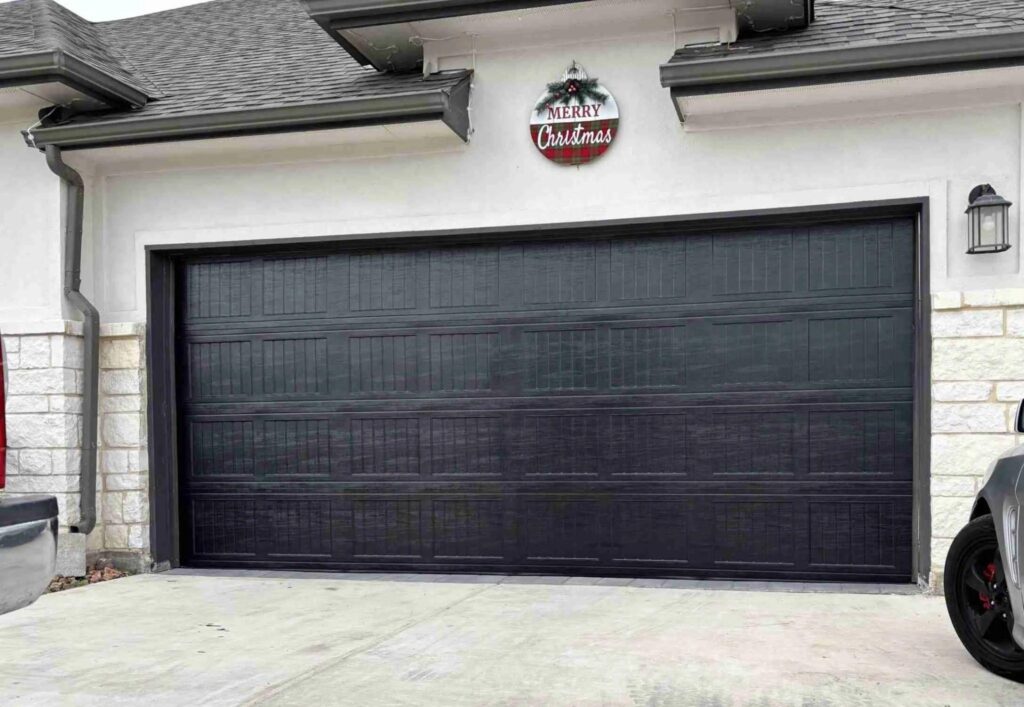
Nobody thinks about their garage door until it refuses to open. It runs every day, sits out in the heat and salty air, and then one morning it just stops. By then, whatever small thing caused it has usually been building for a while.
Garage door maintenance sits low on most people’s to-do lists. The door still opens, so it’s easy to forget about. But it’s a heavy machine with springs, cables, and motors that gets used constantly, and none of that runs forever without attention. An hour of checking once a year is usually all it takes to keep it safe and avoid a much bigger bill down the road.
Why Your Garage Door Needs a Yearly Check
Most families run their garage door about a thousand times a year without ever thinking about it. Every single cycle adds a little more strain to the springs, rollers, tracks, and hinges. Most of that wear doesn’t show up right away. You usually don’t notice it until it’s already a problem.
Living in South Florida speeds that process up. The coastal air carries salt, the humidity never really lets up, and summer heat pushes openers past what they’d deal with almost anywhere else. Metal parts that might hold up for fifteen years up north can start giving out in half that time down here if nobody’s checking on them.
That’s the whole point of routine maintenance. It catches things while they’re still minor annoyances a hinge that squeaks, a bolt working itself loose, a spring losing its tension, before any of it grows into a door that won’t open or a cable that snaps under load.
Problems That Show Up Without Regular Maintenance
Broken springs: The springs hold up the entire weight of the door. If they fail without warning, the door can drop suddenly or freeze halfway.
Snapped cables: Cables work together with the springs. When one frays, it can whip loose under pressure and cause damage.
Tracks out of line: Neglected tracks can bend or fill with dirt and debris, making the door grind, stick, or slip off the rails altogether.
Overworked opener: A door that isn’t balanced right makes the opener motor work harder than it should, wearing it out well before its time.
Faulty safety sensors: Dirty or crooked sensors might fail to detect something in the door’s path, which puts kids and pets at risk.
Any single one of these problems is a hassle. Left alone for a few years, they pile up into needing a full replacement rather than a simple tune-up.
What It Actually Costs to Skip Maintenance
Garage door maintenance is a lot like changing the oil in your car. Skip it once and probably nothing happens. Skip it for a few years running and it eventually shows up as a repair bill you weren’t planning for.
A routine maintenance visit costs a fraction of what an emergency call for a broken spring or stuck opener runs, especially if it happens late at night. Home inspectors and insurance companies also pay attention to a garage door’s condition, since it’s one of the biggest moving parts in any house and a common source of trouble. Staying on top of maintenance protects your wallet and keeps your home in better shape if you ever put it up for sale.
What Happens During a Yearly Maintenance Visit
A real yearly service is more than someone glancing at the door and giving it a thumbs up. It usually means a technician working through every moving part and every safety feature, one by one.
|
Maintenance Task |
Why It Matters |
|
Spring tension check |
Prevents sudden failure and uneven movement |
|
Track alignment |
Keeps the door moving smoothly, no grinding or sticking |
|
Roller and hinge lubrication |
Cuts down on noise and joint wear |
|
Cable inspection |
Spots fraying before a cable gives out |
|
Opener and sensor test |
Makes sure the door reverses when it senses an object |
|
Weatherstripping check |
Blocks rain, bugs, and heat, which matters a lot in Florida |
|
Hardware tightening |
Loose bolts and brackets are a leading cause of rattling doors |
|
Balance test |
Confirms the opener motor isn’t carrying extra strain |
Each task on its own seems minor, but together they cover nearly every part of the door that could eventually fail.
Warning Signs Worth Acting On Right Away
Some problems show themselves long before the door stops working completely. If you notice any of these, call a technician instead of waiting for your next yearly visit:
- The door sounds louder than it used to
- One side moves faster or drops lower than the other
- It jerks or hesitates while opening or closing
- The remote works only sometimes
- You spot rust, frayed cables, or bent tracks
Some of these fixes are simple enough for a homeowner to handle. Others aren’t. Spring repair and cable work fall firmly into professional-only territory. If the door is grinding or has jumped its rails, that’s usually a garage door off-track repair, and it needs a technician, not a homeowner with a wrench. Springs and tracks hold too much tension to mess with on your own.
Small Habits That Help Between Visits
Professional service handles the bigger jobs, but a few small habits go a long way between appointments. Wiping down the tracks and giving the rollers a light coat of lubricant every couple of months keeps everything moving the way it should. A quick visual check for rust or fraying helps too, especially for homes near the coast where salt air speeds up corrosion.
The auto-reverse feature deserves a quick test now and then too. Lay something like a piece of wood down where the door comes to a close, then run the door and watch whether it backs off on contact. Less than a minute of your time, and it could stop a serious accident before it ever happens.
The Repairs We See Most Often
A lot of the emergency calls we get trace back to something that could have been spotted much earlier. Worn rollers are one of the top reasons doors start grinding along their tracks, and catching that early saves homeowners from a much bigger repair down the line. Opener trouble is another common culprit. An unreliable remote or a struggling motor is usually a warning sign, not a one-time glitch.
Out of everything on a garage door, springs deserve the closest attention. The entire weight of the door rests on them, and they tend to go without much of a heads up. Yearly checks that include spring tension testing are one of the best ways to avoid a sudden break, which is both dangerous and expensive to fix on short notice. A door that isn’t opening smoothly is also worth a full opener repair visit, since motor strain often shows up as small glitches long before the motor gives out completely.
Keeping Your Garage Door in Good Shape
A garage door does more work, and weighs more, than most people ever stop to think about. Staying on top of it with annual maintenance keeps small wear from turning into a safety problem or an expensive surprise.
Homeowners across Broward, Miami-Dade, and Palm Beach counties deal with heat and humidity that make yearly checkups even more important than they’d be in other parts of the country. A short visit once a year can add years to your door’s life and keep everyone in your home a little safer.
Give Your Garage Door the Attention It Deserves
It’s easy to let a yearly checkup slide, right up until the morning the door won’t move and you’re stuck figuring out what to do next. Getting ahead of it with a simple inspection now beats dealing with a real problem later. Ariel Garage Door Services serves homeowners across South Florida and can take a look at your springs, tracks, and opener to confirm everything’s in the shape it needs to be.