
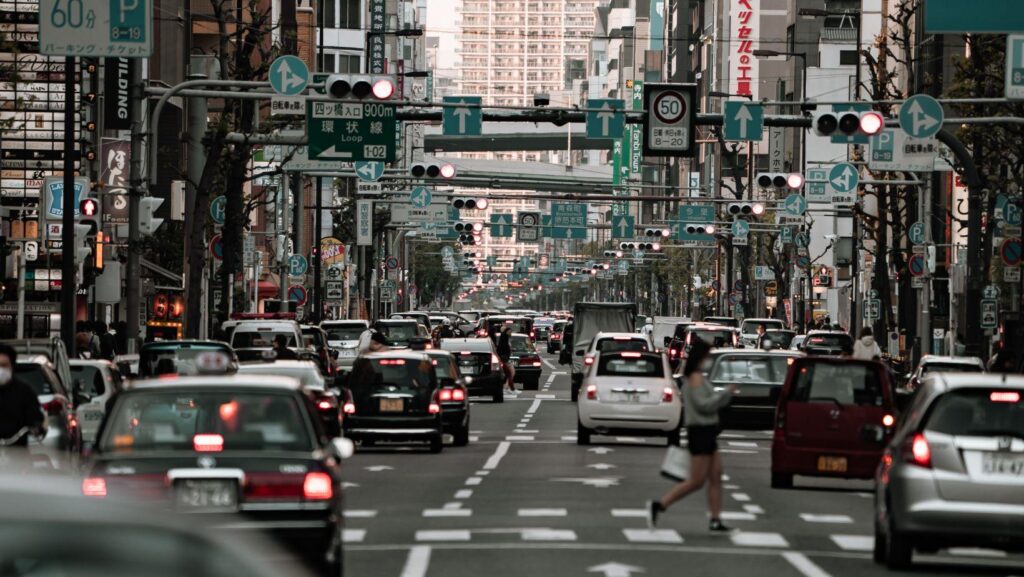
Auckland asks renters to make trade-offs that few other New Zealand cities require. A harbour city built across a series of volcanic hills and coastal inlets, it offers beach access minutes from suburban streets, yet its traffic and limited rail network mean that a short distance on a map can translate into a long commute in practice. Choosing where to rent here rarely comes down to price alone. Suburb character, transport realities, proximity to the coast, and the kind of property on offer all interact in ways that reward careful comparison rather than a quick decision based on the first available listing.
Understanding Auckland’s Suburb Divide
Auckland’s sprawl means that “close to the city” and “affordable” rarely describe the same suburb. Central-fringe areas like Ponsonby, Grey Lynn, and Mount Eden offer walkable access to the CBD along with cafes, villas, and a strong sense of neighborhood identity, but rents here sit well above the regional average. Move further out toward West Auckland suburbs such as Henderson or Te Atatū, and prices drop noticeably, though renters trade some convenience for a longer daily journey. The North Shore presents its own version of this balance: suburbs like Takapuna and Devonport combine beach proximity with a village feel, while areas further north along the motorway corridor offer more space for less money at the cost of a longer commute across the harbour bridge. South Auckland, spanning suburbs from Manukau to Papakura, tends to offer the most affordable rents in the wider region, appealing particularly to families needing larger homes, though public transport coverage varies considerably between individual suburbs. Renters comparing these options should look past general reputation and check specific streets, since suburb boundaries in Auckland often contain quite different housing stock within a short walk of each other.
Commuting Realities Across the City
Traffic congestion shapes daily life in Auckland more than in most comparable cities, and it deserves serious weight in any rental decision. The motorway network handles the bulk of commuter traffic, and peak-hour delays on routes like the Southern or Northwestern motorways can turn a twenty-minute drive into three times that during rush hour. Public transport has improved with the expansion of the rail network and dedicated busways, particularly the Northern Busway connecting the Shore to the city, but coverage remains uneven, and many outer suburbs still rely heavily on cars. Renters browsing Auckland rentals on Rentberry often find that filtering by proximity to a train station or busway stop narrows the search considerably, since these locations hold their value precisely because they sidestep the worst of the congestion. Ferries add a further option for suburbs along the harbour, offering a scenic and often faster alternative to driving for commuters heading into the CBD from places like Devonport or Half Moon Bay. Anyone weighing a cheaper property further out against a pricier one closer to reliable transit should test the actual commute at peak time before committing, since Auckland’s traffic patterns rarely match what a map’s estimated travel time suggests.
Weighing Local Amenities and Everyday Convenience
Amenities vary considerably across Auckland’s suburbs, and they often matter more for daily satisfaction than the headline rent figure. Established suburbs generally offer a fuller spread of supermarkets, medical centers, and schools within easy reach, while newer developments on the city’s edges sometimes lag behind on infrastructure even as housing stock expands quickly around them. A few practical points are worth checking before shortlisting any suburb:
These details rarely appear prominently in a listing, but they shape how livable a suburb feels once the initial move is complete. Renters using Auckland rentals on Rentberry to compare listings side by side often find it useful to cross-check these amenities independently, since a well-photographed property can sometimes obscure a genuinely inconvenient location.
Coastal Access and Its Effect on Rent
Few cities offer coastal living as accessible as Auckland’s, and this proximity to the water carries a real cost premium in many suburbs. Beachfront and near-beach suburbs like St Heliers, Mission Bay, and Takapuna command some of the highest rents in the city, reflecting steady demand from renters who prioritize weekend beach walks and harbour views over a shorter commute. Slightly inland from these premium pockets, suburbs a ten or fifteen minute drive from the coast often offer a meaningful discount while still keeping beach access within easy reach for regular use rather than daily convenience. West Auckland’s rugged black-sand beaches, including Piha and Muriwai, sit further from the city and see less rental demand tied directly to coastal proximity, partly because the drive is longer and the surf coast lifestyle suits a smaller segment of renters. Choosing how much weight to give coastal access really depends on how a renter expects to use it: daily swims and walks justify a premium location, while occasional weekend visits might not.
Matching Property Type to Lifestyle
Auckland’s rental stock spans a wide range, from character villas and bungalows in older suburbs to modern apartments in the CBD and townhouses in newer developments further out. Villas and bungalows, common in areas like Ponsonby, Mount Eden, and Kingsland, offer charm and often a garden, but many were built well before modern insulation standards and can be cold and expensive to heat through Auckland’s damp winters. Apartments concentrated in the city center and around Newmarket suit renters prioritizing low maintenance and walkability, though they typically come with less outdoor space and sometimes body corporate fees that add to the monthly cost. Townhouses, increasingly common across the city as infill housing expands, often strike a middle ground: modern construction and better thermal performance, paired with more manageable outdoor areas than a full section. Families needing more bedrooms and a garden for children or pets tend to look toward standalone houses in suburbs further from the center, accepting a longer commute in exchange for space that inner suburbs rarely offer at a comparable price.
Setting a Budget That Reflects the Full Picture
Rent in Auckland varies dramatically by suburb, and the headline figure rarely tells the whole story. A cheaper property in an outer suburb might require a car, adding fuel, parking, and vehicle costs that a walkable inner-city rental would avoid entirely. Older villas, while often characterful, can carry higher power bills through winter due to limited insulation, a cost that newer builds and townhouses typically avoid. Renters should also budget for a bond, generally equal to a few weeks’ rent, along with the first week or two paid in advance before moving in. Building a realistic monthly budget means adding these secondary costs to the base rent figure, rather than comparing listings on price alone, since two properties at similar rent can end up costing quite different amounts once transport, heating, and fees are factored in.
Final Analysis
Choosing a rental in Auckland works best as a layered comparison rather than a single decision. Suburb character sets the tone for daily life, commuting reality determines how much of each day disappears into traffic or transit, and coastal access carries a price that only makes sense if it matches how a renter actually plans to use it. Property type and total budget tie these threads together, since a lower rent figure can quietly cost more once heating, transport, and fees enter the calculation. Renters who weigh all of these factors together, rather than fixating on any single one, tend to find a home that suits both their daily routine and their finances.