
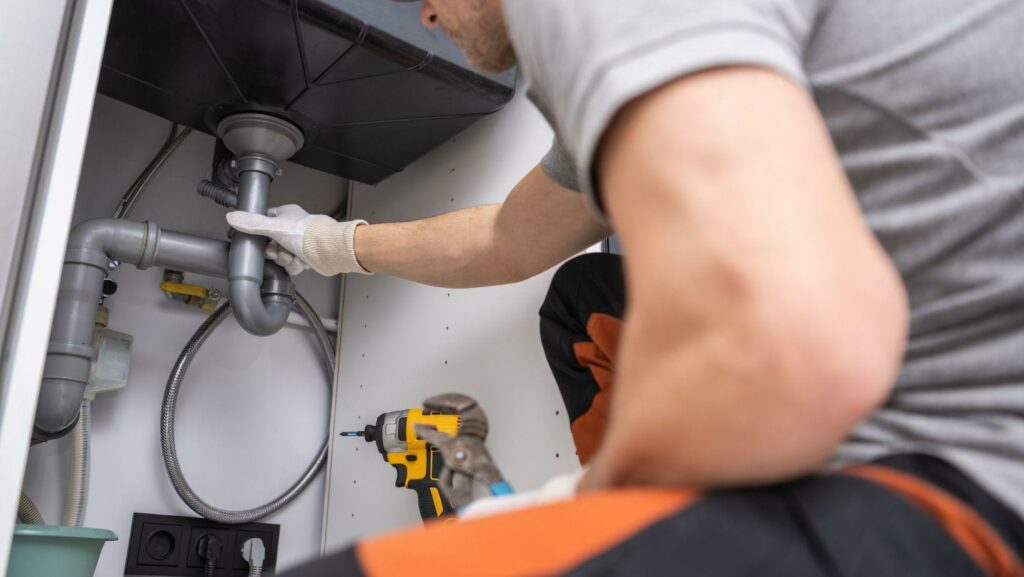
Plumbing issues have a habit of striking at the worst possible times. A slow drip before bed can turn into a flooded bathroom by morning, and a faint gurgling sound in the pipes can escalate into a full blockage overnight. It’s not bad luck—it’s the nature of how plumbing systems behave when left unattended.
This is why many homeowners find themselves urgently searching for an emergency plumber Central Coast after waking up to unexpected water damage. Understanding why plumbing problems worsen so quickly can help you spot early warning signs and act before minor issues become costly emergencies.
Water Never Really Stops Moving
Even when taps are turned off and appliances aren’t running, water is still present throughout your plumbing system. Pressure remains in the pipes, and gravity continues to pull water through drains. When something goes wrong, these forces don’t pause just because it’s night-time.
A small crack, loose fitting, or partial blockage allows water to keep working against the system. Over several quiet hours, this steady pressure can widen leaks, weaken joints, and push debris further into drains, setting the stage for bigger failures by morning.
Small Leaks Grow Quietly
One of the most common overnight plumbing disasters starts with a leak that seems harmless. A slow drip under the sink or a slightly damp patch near a pipe might not look urgent, but leaks rarely stay the same.
Over time, moisture:
Weakens surrounding materials like timber and plaster
Causes seals and fittings to deteriorate further
Encourages corrosion in metal pipes
At night, when no one is using water or checking fixtures, leaks have uninterrupted time to spread. By the time you notice, water may have already caused structural damage or mould growth.
Blockages Build Up After Hours
Blocked drains are another issue that often escalates overnight. During the day, water usage can sometimes push past partial blockages. At night, however, debris settles and compacts.
Grease cools and solidifies, hair tangles tighten, and food particles sink deeper into the pipe. By morning, what was once a slow drain may be completely blocked, causing water to back up into sinks, showers, or toilets.
Temperature Changes Play a Role
Overnight temperature drops can affect plumbing more than people realise. Pipes expand and contract as temperatures change, especially in exposed areas like roof spaces or external walls.
These shifts can:
Open small gaps in joints
Stress already weakened pipes
Cause older materials to crack
If a pipe is already compromised, temperature changes can be enough to turn a weakness into a full rupture while everyone is asleep.
Pressure Surges Go Unnoticed
Water pressure can fluctuate due to usage patterns in your area. Late at night or early in the morning, changes in demand can create pressure surges in the system.
If your plumbing has vulnerable points, these surges may:
Force water through weak seals
Cause pipe joints to fail
Trigger sudden leaks
Because these events happen quietly, damage often continues unchecked until someone wakes up and discovers the problem.
Hidden Spaces Hide Big Problems
Many plumbing components are hidden behind walls, under floors, or inside cabinets. When something goes wrong in these spaces, there are often no immediate signs.
Overnight, water can:
Pool under flooring
Soak insulation
Travel along beams and cavities
By morning, the visible damage is usually just the surface of a much larger issue. This is why overnight plumbing failures often feel sudden, even though the problem has been developing for some time.
Why Night-Time Delays Make Things Worse
When a plumbing issue starts late in the day, it’s tempting to leave it until morning. Unfortunately, delaying action often makes repairs more complex and expensive.
Unresolved problems can lead to:
Extensive water damage
Higher repair costs
Increased risk of mould and electrical hazards
What might have been a simple fix during the evening can turn into an urgent situation requiring immediate attention.
Early Warning Signs to Watch For
Plumbing emergencies rarely come without warning. Paying attention to small changes can make a big difference.
Be alert to:
Unusual sounds like banging or gurgling pipes
Slow-draining sinks or showers
Damp smells or unexplained moisture
Sudden drops in water pressure
Addressing these signs promptly reduces the chance of waking up to a major issue.
How Prevention Makes a Difference
Regular maintenance and quick responses are the best defences against overnight plumbing disasters. Simple habits, like checking under sinks occasionally or avoiding pouring grease down drains, can help prevent escalation.
Knowing when to act is just as important. If something doesn’t feel right, it’s often safer to investigate sooner rather than hoping the issue resolves itself.
Acting Before Problems Spiral
Plumbing systems don’t fail all at once—they deteriorate quietly until a tipping point is reached. Overnight hours give problems the perfect opportunity to worsen without interruption.
Understanding why plumbing issues escalate so quickly helps homeowners take early action, protect their property, and avoid unnecessary stress. A little attention at the right time can prevent a long night and an even longer repair bill.