
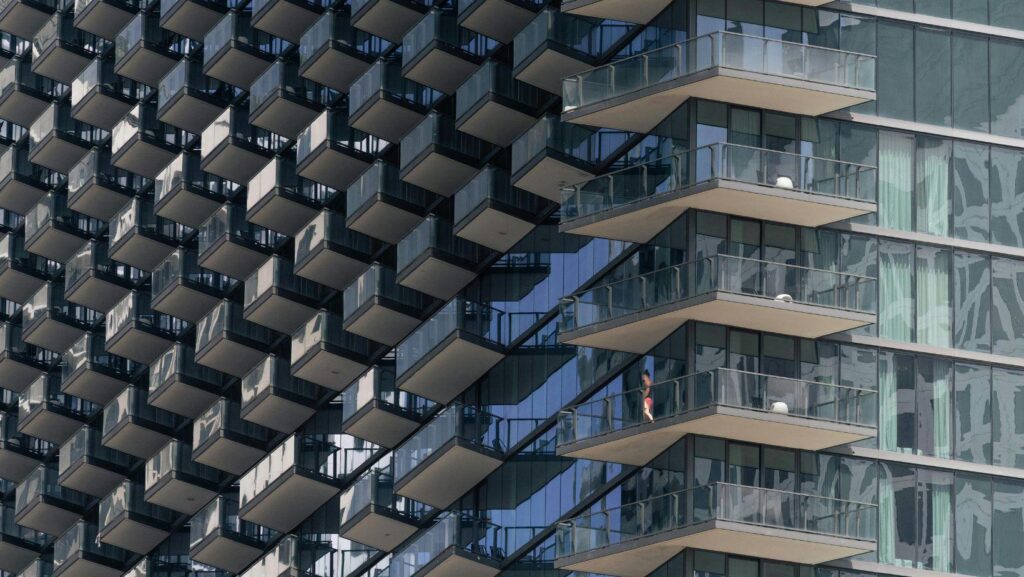
Architecture has always reflected the way people live. Changes in transportation influenced city planning. Advances in technology transformed workplaces. Economic growth reshaped residential developments. Today, another shift is taking place. Modern lifestyle patterns are evolving rapidly, and architecture is responding.
People no longer separate work, entertainment, learning, and leisure as clearly as previous generations did. Digital connectivity allows activities to overlap throughout the day. A person may attend virtual meetings in the morning, consume entertainment during short breaks, collaborate online in the afternoon, and engage in digital communities during the evening without leaving home.
This transformation creates new expectations for residential, commercial, and mixed-use environments. Architects, developers, and urban planners must design spaces that support flexibility rather than fixed routines.
The challenge is not simply creating attractive buildings. It is creating environments that align with changing human behavior.
Why Lifestyle Changes Are Influencing Architectural Design
The relationship between space and behavior has become increasingly important.
Recent observations of digital consumption habits show that many people use short periods between daily responsibilities for entertainment, learning, communication, and content consumption. Rather than waiting for dedicated leisure hours, individuals increasingly integrate these activities throughout the day.
This behavioral shift has direct implications for architecture. Buildings must support multiple functions simultaneously. Residential spaces increasingly require areas suitable for remote work, relaxation, social interaction, and entertainment.
The same trend appears in digital engagement ecosystems. Users searching for experiences such as forest arrow casino game often demonstrate how modern entertainment consumption is driven by accessibility, convenience, and the ability to engage during small windows of available time. The broader lesson for architects is that physical spaces must increasingly accommodate flexible patterns of activity rather than rigid schedules.
Designers who understand these behavioral changes are better positioned to create environments that remain relevant over time.
The Traditional Division of Space Is Changing
Historically, buildings often served highly specific purposes.
Offices were designed for work. Homes were designed primarily for living. Entertainment occurred in dedicated venues. Educational activities took place in schools and universities.
Those distinctions are becoming less defined.
Modern residential environments increasingly include workspaces. Commercial buildings incorporate community areas. Hospitality venues offer coworking facilities. Educational resources are accessible from virtually anywhere.
This evolution requires a more adaptable approach to design.
Spaces must support multiple uses without sacrificing functionality or comfort.
Flexibility Is Becoming a Core Design Principle
One of the most significant architectural trends today is flexibility.
Buildings designed around a single purpose may struggle to meet future demands. Flexible environments, however, can adapt more easily to changing needs.
Several design strategies consistently support adaptability:
- multifunctional interior layouts
- modular space planning
- movable partitions
- technology-integrated environments
- mixed-use development concepts
- scalable infrastructure systems
These approaches help extend the long-term value of buildings while improving user experience.
Technology Is Reshaping Expectations
Digital technologies influence how people interact with physical spaces.
Smart systems, connected devices, automated controls, and integrated communication platforms have become common expectations in many developments. These tools allow buildings to respond more effectively to user needs.
However, technology should support functionality rather than dominate design decisions.
The most successful projects integrate technology in ways that enhance convenience without creating unnecessary complexity.
Architectural quality still depends primarily on how well a space serves the people using it.
What Architects and Developers Should Prioritize
Human Behavior Must Guide Design Decisions
Architecture succeeds when it aligns with real-world behavior.
Designers often focus on aesthetics, materials, and technical specifications. While these elements remain important, understanding how people actually use spaces is equally critical.
Observing daily routines, movement patterns, and social interactions often reveals opportunities for improvement that cannot be identified through technical analysis alone.
This human-centered perspective helps create environments that feel intuitive and functional.
Mixed-Use Development Will Continue Growing
The growing overlap between work, leisure, and community life supports the expansion of mixed-use projects.
Rather than separating activities into distinct zones, many developments now combine residential, commercial, recreational, and social functions within the same environment.
This approach creates several advantages:
- reduced travel requirements
- stronger community interaction
- greater convenience
- improved land utilization
- enhanced long-term adaptability
These benefits explain why mixed-use developments continue attracting attention from investors and urban planners.
Sustainability and Flexibility Are Connected
Sustainable design is often associated with energy efficiency and environmental performance.
While these factors remain essential, sustainability also includes long-term usability. Buildings that adapt successfully to changing needs require fewer major renovations and generate less waste over time.
Flexible architecture therefore contributes directly to sustainability objectives.
Designing for future adaptability helps preserve resources while extending building lifecycles.
Community Spaces Are Becoming More Valuable
As digital interactions become more common, physical community spaces gain importance.
People continue to value opportunities for face-to-face collaboration, social engagement, and shared experiences. Architecture can help support these interactions by creating welcoming public environments.
Successful developments often balance privacy with opportunities for connection.
This balance strengthens community identity while supporting diverse user preferences.
Long-Term Relevance Requires Strategic Thinking
Architectural projects often remain in use for decades.
As a result, decisions made during the design phase should consider future needs as well as current requirements. Buildings designed solely around present-day assumptions may become obsolete more quickly.
Strategic planning helps reduce this risk.
Architects who anticipate changing lifestyles, technological developments, and demographic trends often create projects with greater long-term value.
The goal is not to predict every future change but to design environments capable of adapting as circumstances evolve.
The Future of Architecture Will Be Defined by Adaptability
The relationship between people and spaces continues to evolve.
Digital technologies, changing work patterns, shifting leisure habits, and new forms of social interaction are reshaping expectations across residential, commercial, and public environments.
Architecture must respond to these developments by prioritizing flexibility, functionality, and human-centered design.
Buildings are no longer static containers for predefined activities. They are becoming dynamic environments that support multiple aspects of modern life simultaneously.
For architects, developers, and decision-makers, this transition presents both challenges and opportunities. The most successful projects will be those that recognize how rapidly lifestyles are changing and create spaces capable of evolving alongside them.
In an increasingly connected world, architectural relevance will depend less on following short-term trends and more on understanding the long-term relationship between human behavior and the built environment.