
Quick Answer
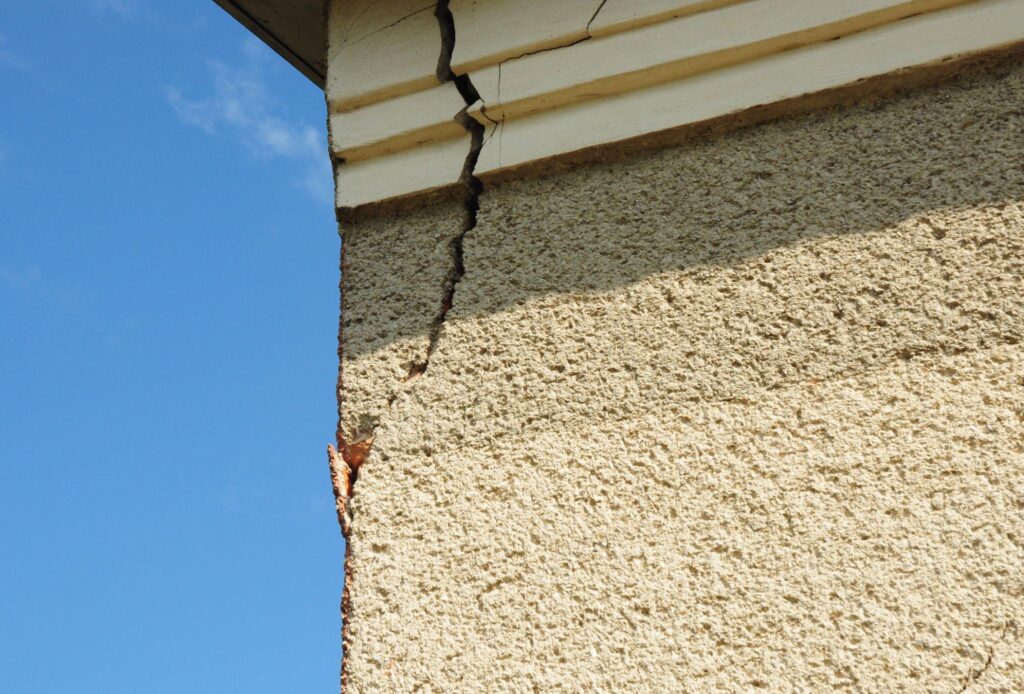
Most cracks trace back to a single cause: a rigid finish moving over a flexing structure. Effective stucco crack repair in Calgary begins by identifying that driver. Hairline splits under 1.5 millimetres usually respond to flexible patching, while wider, diagonal, or recurring cracks signal moisture or structural movement that calls for professional removal, mesh reinforcement, and a colour-matched finish coat.
Introduction
Anyone who has owned a stucco-clad home through a prairie winter knows the quiet frustration of spotting a fresh hairline split that was not there in autumn. The finish looks solid one season, then a thin fracture appears near a window corner the next. The temptation is to grab filler and move on, yet that instinct often hides what is happening behind the wall.
Reading those signatures is what separates a lasting fix from a patch that reopens by spring. Skilled crews assess movement, water paths, and substrate condition before any material goes on, the logic behind proper stucco repair in Calgary. Treat a crack as a symptom rather than a flaw, and you can judge whether a sealant will hold or whether the wall needs deeper attention.
Where Stucco Cracks Begin
Stucco is a rigid, cement-based skin stretched over a structure that never stops moving. Wood framing swells with humidity, foundations settle into shifting soils, and the cladding itself expands and contracts as temperatures rise and fall.
Because the material flexes very little, that constant motion has to escape somewhere, and it usually surfaces as a fracture. Identifying the force behind each one is the starting point for durable exterior stucco repair in Calgary, since the cause dictates the cure.
Heat, Cold, and Water
The two drivers behind most surface splits are temperature change and moisture. When the sun warms a wall well above the overnight low, the finish coat expands, then contracts as the air cools. Repeated often enough, this fatigue opens fine hairline cracks, typically at the weakest points around windows, doors, and inside corners. Water compounds the issue. Once it reaches the lath beneath the surface, it can corrode metal reinforcement and rot framing from within.
Build Quality That Invites Failure
Plenty of fractures trace back to how the system was assembled rather than the weather. Common culprits include:
- Missing or poorly placed expansion joints, leaving the panel no controlled room to move
- A weak base coat, often diluted by too much water during mixing
- Skipped fibreglass mesh, which normally spreads stress across the wall
- A scratch coat dried too quickly, creating shrinkage splits before the first season
Pro Tip: Press firmly on the wall around any fracture before filling it. A hollow sound or noticeable flex means the cladding has separated from its backing, and surface filler will not cure a bonding failure underneath.
Reading these early signals tells you whether you face simple cosmetic fatigue or the first hint of a deeper fault.
Why a Small Crack Rarely Stays Small
A narrow split that looks harmless in autumn can widen into something serious by spring. The mechanism is mechanical fatigue driven by rapid warm and cold swings, and it explains why a cosmetic flaw seldom stays cosmetic.
The Freeze and Thaw Engine
A sudden warm spell can lift the outdoor temperature sharply within hours, melting snow and pushing meltwater into any open fracture. When the air drops back below freezing overnight, the trapped water expands by roughly 9% as it turns to ice, prying the gap a little wider.
A climate near the foothills runs through this melt-and-refreeze pattern far more often than milder coastal regions, so each fracture is worked open again and again across a single season. Every repetition drives moisture deeper toward the lath and framing. Several conditions speed the process along:
- South and west walls that swing through the widest daily temperature range
- Unsealed joints around windows, vents, and trim that invite meltwater
- North-facing sections where snow lingers and keeps the surface damp
From Cosmetic to Structural
The damage tends to follow a predictable path. The table below maps how one fracture deteriorates when cold and water are left to act on it.
|
Stage |
What Happens |
Typical Outcome |
|
Early cycles |
Meltwater enters, freezes, widens the gap |
A hairline split becomes visible |
|
Repeated cycles |
Persistent icing fatigues the base coat |
Edges crumble, the fracture lengthens |
|
Advanced stage |
Saturation reaches the reinforcement |
Delamination and spalling set in |
Once pieces separate from the wall, a surface patch can no longer restore the moisture barrier. At that stage a lasting stucco fix in Calgary means stripping the failed material and rebuilding the layers in sequence. Catching an active fracture early, before the cycle compounds, is the difference between a minor repair and a structural one.
Telling a Surface Flaw From a Real Problem
Once you grasp why fractures form, the practical question is whether you can handle one yourself or whether the wall needs a trained crew. A few clear indicators separate the two.
Cracks Worth a Weekend Fix
Thin, stable splits that do not shift with the seasons usually sit within a careful homeowner’s reach. A flexible, paintable exterior sealant made for cement finishes will bridge the opening and keep water out, provided the surrounding surface stays sound. The reassuring signs include:
- A width no greater than about a millimetre and a half
- No softness, staining, or bulging across the nearby wall
- A fracture that holds its size from one season to the next
Budget plays a part, too. A tube of quality sealant and an afternoon of effort stays modest, whereas underestimating a serious split can inflate the eventual stucco repair cost in Calgary once hidden moisture spreads through the assembly.
Cracks That Need a Specialist
Other symptoms point firmly toward expert help. Diagonal fractures fanning out from window corners, long horizontal lines, a hollow tone when tapped, or rust-coloured weeping that signals corroding metal all reveal trouble below the finish. Proper repair here means clearing compromised material, integrating fresh fibreglass mesh, and rebuilding each coat so the texture matches.
More involved stucco remediation in Calgary may also correct failed flashing or drainage paths behind the cladding. When the cause hides beneath the surface, consulting a qualified local specialist protects the structure far better than another layer of filler.
Sorting your wall into the right category turns an anxious guess into a confident, well-timed decision.
Why Early Stucco Crack Repair Pays Off
Cracks in a cement finish are rarely just cosmetic. They are the wall telling you how it is coping with movement, moisture, and hard temperature swings. Reading that message early, while a fracture is still thin and stable, keeps a quick seal from becoming a full rebuild. When splits widen, spread from corners, or weep rust, timely stucco crack repair in Calgary protects both the structure beneath and the value of the home it shelters.