
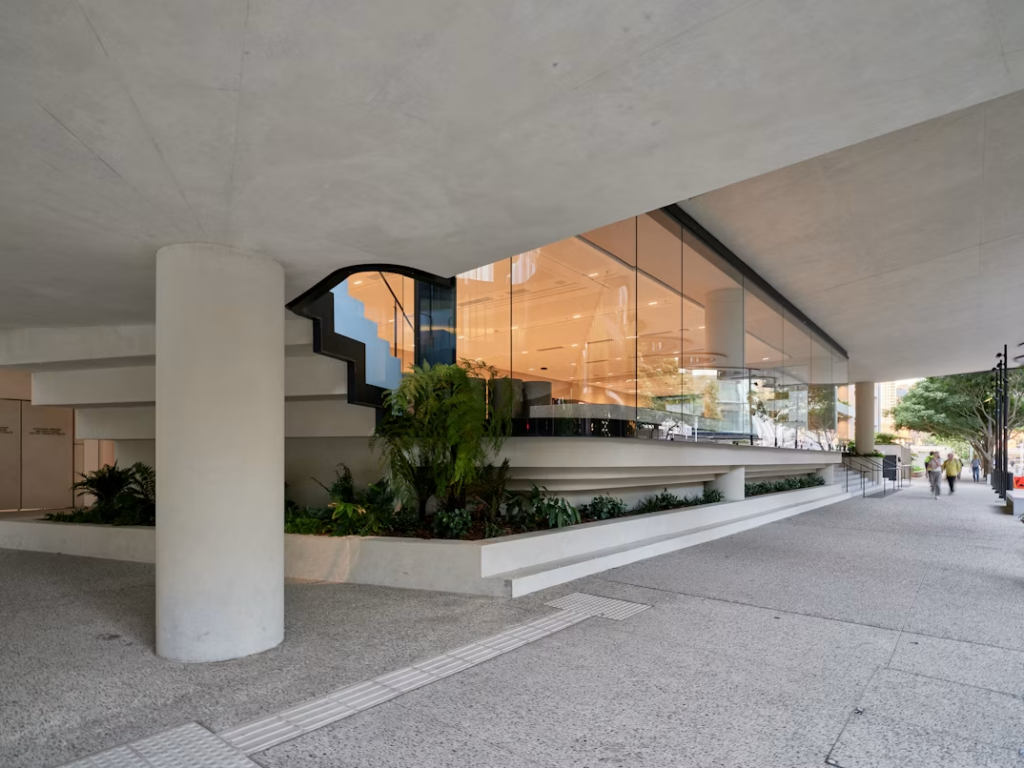
Integrating security into architectural plans isn’t just an afterthought anymore; it’s a core part of modern design. Back in the day, security measures often felt tacked on, leading to obvious cameras, big imposing gates, and a general feeling of being watched.
Today, we’re focusing on creating places that are naturally secure without losing their good looks or making things difficult for people using them. This approach weaves protection right into the building’s fabric, making safety an invisible, seamless part of the structure.
Security as a Design Element
Thinking about security as a design element from the very start of a project is a big shift in how architects approach things. Instead of just adding security systems once a design is finished, architects now team up with security specialists to build protective measures into the building’s shape and how it works. This can cover everything from how a building is laid out to the materials chosen and even the landscaping. The main goal is to create a space that naturally discourages unwanted activity while making people feel safe and sound.
For example, modern solutions for access control are much more subtle. They can be built right into door handles, hidden inside wall panels, or even controlled with your phone, fitting perfectly with a minimalist or high-tech look. This forward-thinking approach makes sure security actually improves the overall design, rather than taking away from it. The ideas behind integrating security with design help architects and clients figure out how to make security a helpful feature, not a problem.
Balancing Openness and Protection
One of the hallmarks of modern architecture is its love for light, transparency, and open spaces. Glass walls, inviting atriums, and flowing layouts are common, but they do pose a unique challenge when it comes to security. How can a building feel open and welcoming while also being super protected? The trick is finding a delicate balance, which comes from smart design and clever material science.
Architects can use layers of security, starting with subtle deterrents right at the property line, like landscaping or decorative posts, and then gradually increasing security levels closer to the building’s heart. Using laminated or reinforced glass offers physical protection without blocking the view. By following the principles of Secure by Design, designers can make smart choices that bake security into the project’s foundation, ensuring protective measures are effective but not in-your-face. This creates spaces that feel safe without feeling restrictive.
Advanced Systems for Modern Spaces
Technology plays a huge role in crafting secure yet beautiful environments. The newest security systems are designed to be as invisible as they are effective. High-definition cameras can be tiny or hidden within architectural features, while advanced software can spot unusual behavior without needing someone to constantly watch.
Beyond just cameras, integrated building management systems can link up access control, alarms, and even lighting into one smart network. Imagine this: in an emergency, the system could automatically unlock specific escape routes, light up the path to safety, and tell first responders exactly where to go. Biometric scanners offer a keyless and secure way to get into sensitive areas, so you don’t need traditional keys or cards that can get lost or stolen. These systems provide top-notch protection while quietly working in the background.
Designing for Operational Efficiency
A truly secure building is also one that runs smoothly and is easy to manage every day. Security design directly affects how a space operates, influencing everything from how visitors are handled to emergency plans. A well-thought-out security plan considers how people will naturally move through the building and uses that information to create an intuitive and safe experience.
This means designing clear and logical paths for visitors, making sure staff can move efficiently between secure and public areas, and planning effective emergency exits that are always clear. When security is designed with daily operations in mind, it lightens the load on staff, minimizes everyday hassles, and makes for a more positive environment for everyone. Ultimately, the building doesn’t just become safer; it also becomes more functional and pleasant to be in.
Good security design is all about creating spaces where people feel comfortable, welcome, and most importantly, safe. By treating security as an essential part of the architectural process, we can build environments that are both beautiful and strong.