Walls don’t usually fail overnight. What looks like a small crack, a bit of flaking, or slight discolouration is often the result of gradual wear that’s been building for a long time. The problem is that these early signs are easy to ignore until they become more noticeable.
By the time the damage is obvious, it often requires more effort to fix. Understanding what’s causing these changes helps you act earlier and prevent further deterioration.
In many cases, issues related to ageing brickwork or weakened mortar can be addressed with solutions like Brick Repointing, which helps restore the structure and appearance before more serious problems develop.
Cracks in Walls
What they really mean
Cracks are one of the most common signs of wall damage. While some are harmless, others indicate movement or stress within the structure.
You might notice:
-
Thin, hairline cracks
-
Wider cracks that grow over time
-
Cracks around windows or doors
When to pay attention
Small cracks can be normal, but changes in size, direction, or frequency are worth investigating.
If cracks:
-
Continue to expand
-
Appear in multiple areas
-
Are accompanied by other signs of damage
It’s a good idea to look deeper into the cause.
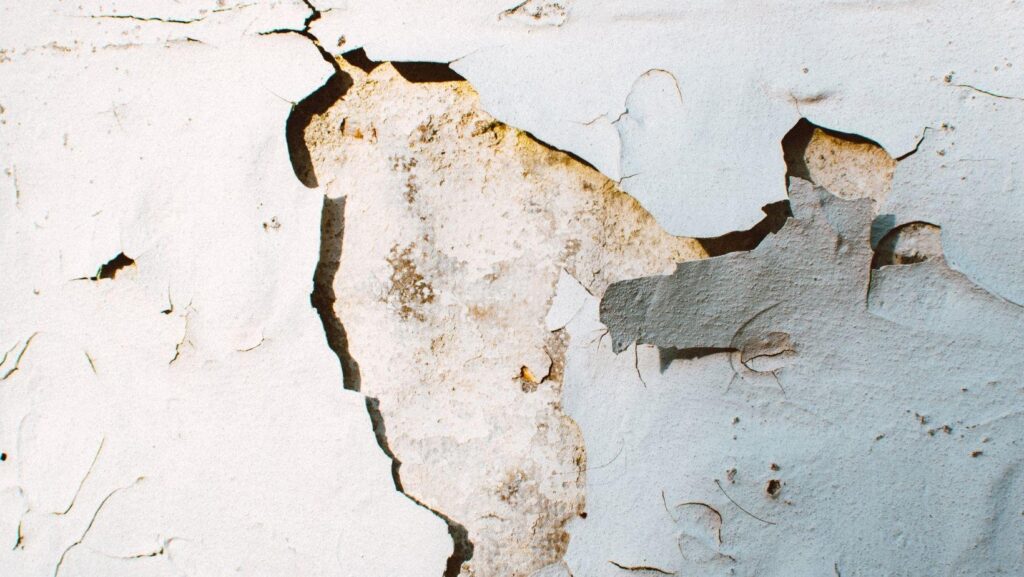
Peeling or Flaking Surfaces
Why it happens
Paint or surface finishes don’t just peel for no reason. It’s often a sign that moisture is getting into the wall.
This can be caused by:
-
Poor ventilation
-
External water exposure
-
Failing protective layers
What it leads to
If left untreated, moisture can weaken materials beneath the surface, leading to more extensive damage.
Addressing the underlying cause is more important than simply repainting.
Damp Patches and Discolouration
Water is usually the culprit
Dark patches, stains, or uneven colouring often point to moisture issues.
Common sources include:
-
Leaking pipes
-
Poor drainage
-
External water seeping through walls
Why it shouldn’t be ignored
Moisture doesn’t just affect appearance. It can lead to mould growth, structural weakening, and long-term deterioration.
Even small damp areas can spread if not addressed early.
Deteriorating Mortar
The role of mortar
In brick walls, mortar holds everything together. Over time, it can wear away due to exposure to weather and environmental conditions.
Signs of deterioration include:
-
Crumbling or missing mortar
-
Gaps between bricks
-
Loose or shifting sections
Why it matters
When mortar weakens, the stability of the wall is affected. This can allow water to enter and accelerate further damage.
Bulging or Uneven Surfaces
A sign of deeper issues
Walls that appear uneven or bulging may indicate structural movement or internal pressure.
This can result from:
-
Water damage
-
Foundation movement
-
Long-term stress on the structure
When to act
This type of issue often requires more than a surface-level fix. Identifying the underlying cause is essential to prevent further problems.
External Factors That Contribute to Damage
Weather and exposure
Walls are constantly exposed to the elements. Over time, this takes a toll.
Factors include:
-
Rain and moisture
-
Temperature changes
-
Sun exposure
These conditions can gradually weaken materials, especially if maintenance is neglected.
Age and wear
Older structures naturally experience wear. Materials degrade over time, making them more vulnerable to damage.
Regular upkeep becomes more important as buildings age.
Preventing Further Damage
Address issues early
The earlier you deal with signs of damage, the easier they are to fix.
Small repairs can prevent:
-
Larger structural problems
-
More expensive work
-
Ongoing deterioration
Maintain protective layers
Keeping surfaces sealed and maintained helps protect against moisture and environmental damage.
This includes:
-
Repainting when needed
-
Repairing cracks promptly
-
Ensuring proper drainage around the property
Regular inspections help
You don’t need to inspect every detail constantly, but checking your walls periodically can help you catch problems before they grow.
Look for changes rather than waiting for obvious damage.
Understanding What Your Walls Are Telling You
Walls don’t develop issues without reason. The signs you see, whether it’s cracking, dampness, or surface wear, are indicators that something needs attention.
Ignoring these signs allows the underlying problem to continue developing. Taking a closer look and acting early helps preserve both the appearance and integrity of your walls.
With the right approach, most issues can be managed before they turn into major repairs. It’s about recognising the early signals and responding before they become harder to deal with.