
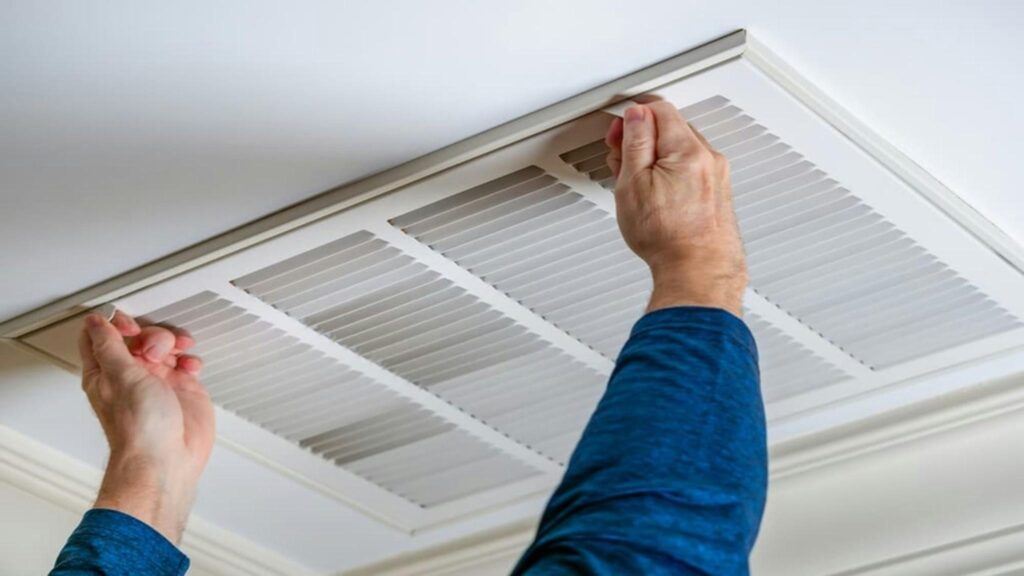
Most people change their filter whenever they remember to, which usually means way too late. The honest answer to how often to change AC filter tasks depends on the filter type, the home, and whether pets are involved, but there is a real range, not just a guess.
Skip it long enough and AC filter replacement stops being routine maintenance and starts being the reason your system is struggling. If you are not sure where your setup falls, Astera Chicago HVAC contractors can take a look and tell you exactly what your system needs, no guesswork required.
What Factors Affect How Often You Need to Replace Your AC Filter?
There’s no single answer. A one-inch filter in a house with no pets and no allergies might genuinely go three months. Same filter, same size, in a home with two dogs and someone who smokes indoors? Closer to three weeks.
Bigger filters, the four- or five-inch ones some systems use, hold more dust and stretch out to six months or longer. Renovations, construction nearby, wildfire smoke drifting through Chicago in summer, all of that clogs a filter faster than normal. The filter does not know your calendar. It just knows how much junk has passed through it.
How Often Should You Really Change Your AC Filter?
How frequently should a typical home’s AC filter units be changed? Standard 1-inch filters should last one to three months, whereas larger 4- or 5-inch filters used in certain more recent systems should last three to six months. Pets push that timeline down. Allergies push it down too. Running the AC constantly through a Chicago summer pushes it down further, since more air means more debris moving through in the same stretch of time.
According to the EPA, following manufacturer guidance on filter replacement is one of the simplest ways to maintain good indoor air quality year-round. When in doubt, check it every month for the first year after moving into a new house. Once you observe how quickly it actually becomes dirty, make adjustments.
What Are the Signs That Your AC Filter Needs to Be Replaced?
Do not just rely on the calendar; watch out for a few things:
- Hold it up to a light. If you cannot see light through it clearly, it is done
- Airflow from the vents feels weaker than it used to
- Dust seems to settle on furniture faster than normal
- The system runs longer than it should to hit the set temperature
- A musty smell coming from the vents when the AC kicks on
Any one of these on its own might mean something else. Two or more together, and it is probably the filter.
Can You Clean and Reuse an AC Filter Instead of Replacing It?
You can only wash a filter if it’s made to be washable. Most regular fiberglass or pleated filters are meant to be used only once. Washing them could harm the filter and fail to restore adequate airflow.
Although washable filters have a long lifespan, they should be cleaned once a month and fully dried before being used again. A damp filter going back into the system is a mold problem waiting to happen. If your filter does not say it’s washable, don’t wash or reuse.
What Happens If You Don’t Change Your AC Filter Often Enough?
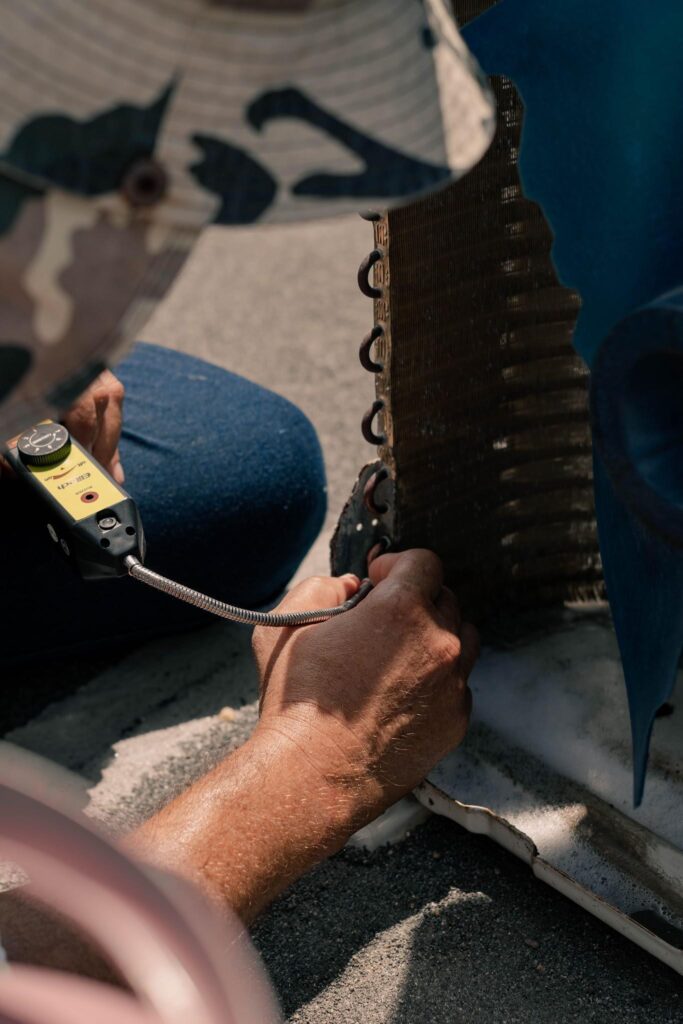
Your energy expenses will increase even though you receive the same amount of cooling if you don’t change your filter frequently enough, since the system will have to work harder than it should. Airflow drops, which can lead to the evaporator coil icing over, a completely separate and more expensive problem that traces right back to a filter nobody swapped out.
Dust and allergens that should have been trapped end up circulating through the house instead. And the compressor, the most expensive part in the whole system, wears down faster under the extra strain. According to Consumer Reports, a dirty filter is one of the most common and most avoidable reasons AC systems lose efficiency over time.
How Do You Choose the Right AC Filter for Your Home?
The number to pay attention to is the MERV rating. Finer filtration comes with a higher number, sure, but push that too far on an older system and airflow ends up more restricted than the equipment can actually handle.
For most homes with no pets or allergy issues, MERV 8 to 11 does the job fine. Got allergies or asthma in the house? MERV 13 is worth the jump. Just check your system’s manual first; grabbing the highest rating on the shelf without checking is how airflow problems start.
In Conclusion
There is no fixed period of time for changing AC filters that works for everybody. When it needs to be done depends on a number of factors, including pets, allergies, filter thickness, and system performance. The consequences of ignoring it remain constant: increased expenses, less airflow, and equipment that deteriorates more quickly than it should. AC filter replacement is one of the cheapest things a homeowner can do to protect a system worth thousands of dollars.
If it has been a while since anyone checked, Astera can take a look at your system and tell you if the filter or something else entirely is behind the drop in performance.
How frequently do you actually adjust your filter on a regular basis or only when something seems strange? Leave a comment with your routine so that someone else can figure out theirs.