
Bathrooms used to be treated like purely practical rooms.
Get in. Get ready. Get out.
That has changed.
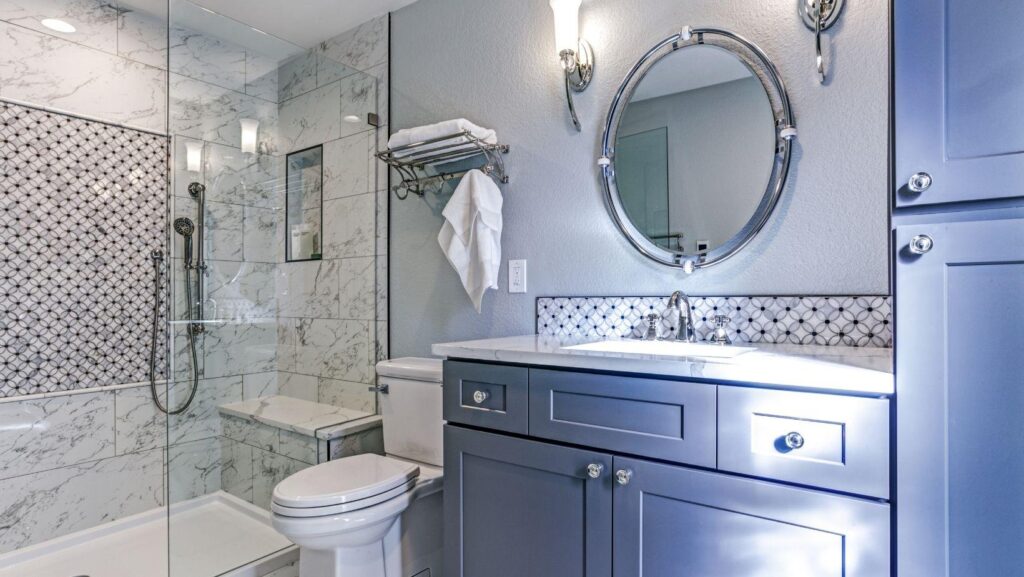
Now bathrooms are expected to feel calm, clean, and almost spa-like, even when the square footage is modest. Homeowners want softer light, clearer surfaces, fewer visual interruptions, and a room that does not feel crowded the second the door closes. That is why frameless glass shower enclosures have become such a defining detail in modern bathroom design. They make the room feel more open without adding anything loud.
Why Bathrooms Are Becoming More Minimalist
The modern bathroom is moving away from visual noise.
Heavy frames, busy tile borders, bulky vanities, dark corners, and oversized hardware can make a bathroom feel smaller than it is. Even expensive materials can lose their effect when too many details compete for attention.
Minimalist bathroom trends are not about making the room empty.
They are about making it easier to experience.
Cleaner lines let the eye move. Softer palettes make the space feel calmer. Fewer interruptions help the room feel more intentional.
That is why spa-inspired bathrooms have become so popular. People want the bathroom to feel like a reset, not another cluttered room asking for attention before 8 a.m.
The National Kitchen & Bath Association reported that wellness and luxury are major themes in modern bath design, with larger bath footprints, better storage, and more lifestyle-focused spaces shaping current renovations. That tracks with what homeowners are asking for now: bathrooms that feel less cramped and more restorative.
Visual Space Matters in Smaller Rooms
Bathrooms rarely have much extra space to waste.
That makes every visual decision matter.
A bulky shower frame can slice the room into sections. A heavy curtain can make the shower feel separate and closed off. Dark metal lines can interrupt the wall tile, floor tile, and lighting in ways people do not always notice consciously, but absolutely feel.
Open visual space changes that.
When the shower area feels connected to the rest of the room, the bathroom looks larger. The floor feels more continuous. The tile has room to breathe. Light can move farther.
This is especially useful in smaller bathrooms, where one heavy feature can dominate the whole space.
A frameless enclosure does not magically add square footage.
It just stops taking it away visually.
That difference matters.
Heavy Framing Instantly Dates a Bathroom
Some bathroom details age fast.
Heavy shower frames are one of them.
They often make the room feel older, even when everything else has been updated. The lines are thicker. The transitions look busier. The shower becomes a separate box instead of part of the full design.
That is not the direction modern bathrooms are going.
Contemporary spaces favor lighter details, cleaner transitions, and materials that do not interrupt the room. Even when the style is warm or traditional, homeowners still tend to want the shower area to feel polished rather than visually heavy.
You can see the difference immediately.
The same tile looks cleaner.
The same room feels larger.
The same bathroom starts looking more current without needing every feature replaced.
That is why frameless design has moved from “nice upgrade” to something many designers now treat as expected in higher-end bathrooms.
Modern Bathrooms Prioritize Light and Openness
Light does a lot of emotional work in a bathroom.
Morning light makes the room feel fresher. Good mirror lighting makes routines easier. Softer evening lighting keeps the space from feeling harsh at night.
Transparent materials help because they allow light to move through the room instead of stopping at the shower edge.
That matters for both natural and artificial light.
The World Green Building Council has discussed the importance of daylight and indoor lighting for comfort and wellbeing, which connects directly to why brighter, more open interiors often feel better to live with.
In a bathroom, light affects everything:
A dark, blocked-off shower can make the whole bathroom feel heavier.
A visually open one lets the room breathe.
Simpler Design Often Feels More Luxurious
Luxury bathroom upgrades are not always the loudest ones.
Sometimes the most expensive-looking choice is the one that removes visual clutter.
A cleaner shower enclosure. A quieter palette. Better lighting. Fewer breaks in the tile. More consistent lines. These choices create a calmer room without making it feel underdesigned.
That is the appeal of restraint.
High-end bathrooms increasingly borrow from hotel and spa design, where the best rooms feel serene rather than overfilled. Houzz’s 2024 bathroom trends study showed continued interest in updated bathrooms that prioritize style, function, and improved layouts, even as some major structural changes became less common.
That makes sense.
Homeowners want impact, but not always demolition.
A frameless shower enclosure can change the room’s visual weight immediately because it removes one of the most obvious interruptions.
The result feels cleaner.
Lighter.
More expensive.
Final Thoughts
Modern bathrooms are no longer judged by function alone.
They are judged by atmosphere.
The strongest bathroom designs now feel open, calm, and visually light. Frameless details support that shift because they reduce clutter, preserve sightlines, and make the room feel larger without adding decoration.
Simplicity is doing more work than ever.
And in a bathroom, the cleanest detail often becomes the one that changes the whole room.