
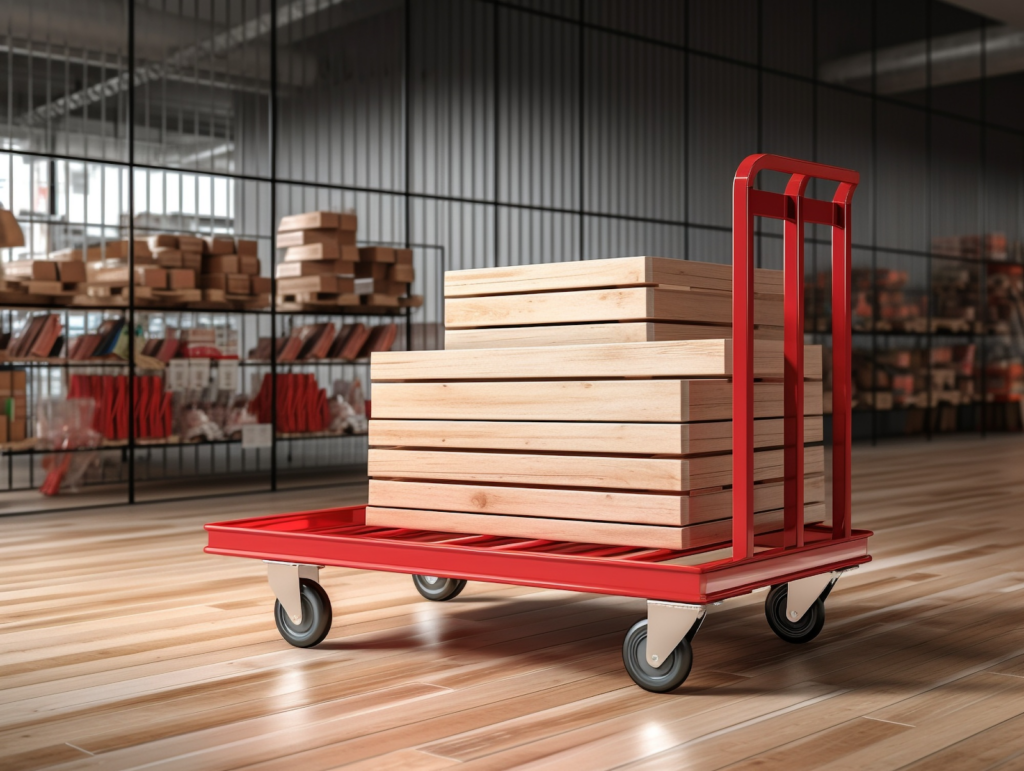
Efficient warehouse operations rely heavily on the tools and equipment used by staff to handle inventory. Among these, an order picking trolley plays a vital role in ensuring goods are transported safely and efficiently within the facility. Choosing the right trolley is not merely a matter of convenience; it directly affects productivity, safety, and employee satisfaction. Understanding the factors that influence the selection of order-picking trolleys can help warehouses optimise their processes and reduce operational risks.
Assessing Warehouse Layout and Space Constraints
One of the primary considerations when selecting an order-picking trolley is the layout of the warehouse. Warehouses vary widely in aisle width, shelving height, and storage density, all of which influence the type of trolley that can be effectively used. Narrow aisles require compact, manoeuvrable trolleys, whereas larger spaces may allow for bigger trolleys with higher load capacities. Additionally, the trolley must be compatible with racking systems to avoid collisions and facilitate smooth navigation. Careful analysis of the warehouse layout ensures that staff can move goods efficiently without compromising safety.
Determining Load Capacity and Weight Requirements
Load capacity is a critical factor in trolley selection. The trolley must be capable of carrying the weight of the items typically picked in daily operations without straining the user or risking damage to goods. Overloading a trolley can lead to accidents, tip-overs, or equipment failure. It is important to evaluate the average weight of orders and select trolleys with adequate capacity, while also considering the need for future scalability. Adjustable shelving or modular trolleys can provide flexibility to accommodate varying load sizes.
Prioritising Safety Features
Safety is paramount in warehouse operations, and trolleys are no exception. Features such as sturdy brakes, ergonomic handles, anti-slip surfaces, and stable wheel bases can significantly reduce the risk of injuries. Some trolleys include guardrails or side panels to prevent items from falling during movement. Staff comfort is also an important safety consideration; ergonomically designed trolleys reduce strain on the back, arms, and shoulders, helping to prevent long-term musculoskeletal issues. Investing in well-designed, safety-oriented trolleys can lead to a safer workplace and lower staff absenteeism due to injuries.
Considering Material and Build Quality
The material and construction of the trolley influence its durability, maintenance requirements, and suitability for different warehouse environments. Steel trolleys provide strength and longevity, making them suitable for heavy loads, whereas aluminium or polymer options are lighter and easier to manoeuvre for moderate loads. In environments where moisture or chemicals are present, corrosion-resistant materials may be necessary to extend the life of the trolley. Attention to build quality ensures the trolley remains reliable under frequent use, reducing the need for repairs or replacement.
Evaluating Mobility and Manoeuvrability
The ability to navigate through aisles efficiently is essential for order-picking trolleys. Smooth-rolling wheels, swivel casters, and low-resistance bearings allow staff to move trolleys with minimal effort. Consideration should also be given to the type of flooring in the warehouse; hard floors may require different wheels compared with rough or uneven surfaces. Some trolleys come with adjustable wheel locks or steering mechanisms to improve control when turning or stopping. High manoeuvrability reduces fatigue and speeds up order-picking tasks, contributing to overall warehouse efficiency.
Customisation and Adaptability
Warehouses often handle a diverse range of products, which means trolleys must be versatile. Modular trolleys with adjustable shelves, removable bins, or stackable trays allow staff to adapt the trolley for different types of items. This adaptability ensures that the trolley can handle both small, fragile items and larger, bulkier goods efficiently. Some trolleys are designed to integrate with conveyor systems or automated picking technology, offering further operational flexibility and the potential to improve workflow integration.
Maintenance and Lifespan Considerations
Selecting a trolley also requires consideration of long-term maintenance. Regular upkeep, such as wheel lubrication, tightening bolts, and checking for structural wear, helps prolong the life of the trolley and maintain safe operation. Trolleys with easily replaceable components, such as wheels and shelves, are advantageous as they reduce downtime and repair costs. Investing in durable, low-maintenance trolleys may involve higher initial expenditure but often results in significant savings over the life of the equipment.
Balancing Cost and Operational Efficiency
While budget constraints are a practical concern, cost should not be the sole determining factor. A trolley that is inexpensive but prone to failure or difficult to use may ultimately slow down operations and increase safety risks. Conversely, investing in high-quality, ergonomically designed trolleys can enhance productivity, reduce staff fatigue, and improve safety outcomes. A cost-benefit analysis, taking into account expected lifespan, maintenance requirements, and operational efficiency, can guide a more informed selection.
Conclusion
Selecting the right order-picking trolley is a multifaceted decision that impacts warehouse productivity, staff safety, and operational efficiency. Factors such as warehouse layout, load capacity, safety features, material quality, manoeuvrability, customisation, maintenance, and cost must all be carefully evaluated. By choosing trolleys that are well-suited to their specific operational needs, warehouses can streamline order-picking processes, protect employees, and ensure reliable handling of goods. Thoughtful investment in order-picking trolleys is therefore not just a logistical choice but a strategic step towards safer and more efficient warehousing.