
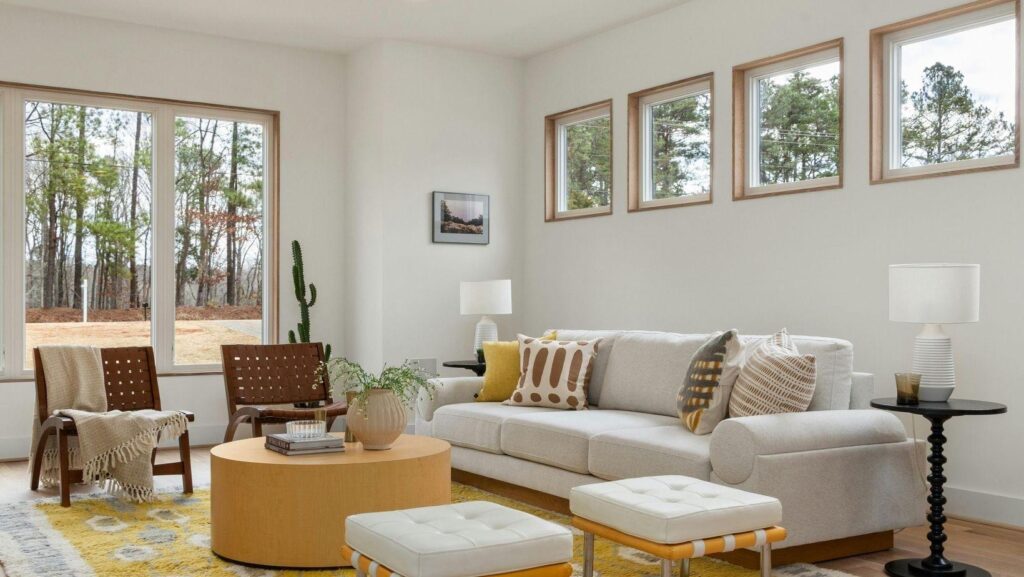
Replacing windows is no longer just a deferred maintenance chore; it is a critical intersection of architectural aesthetics and high-performance building science. The era of slapping generic, thick-framed vinyl sliders into every opening is over. Today, upgrading to energy-efficient windows allows you to completely redefine a home’s exterior sightlines while fundamentally changing its thermal envelope.
The Architectural Shift: Sightlines and Historic Context
Modern manufacturing has revolutionized window profiles. We are seeing a massive shift away from bulky frames toward narrow-profile fiberglass and composite frames that mimic the industrial look of historic steel windows. This is crucial for maintaining architectural integrity. For example, replacing windows in a historic Boston brownstone requires entirely different profile considerations than updating a mid-century modern home in Palm Springs.
Navigating the local building department quirks is often the first hurdle. Historic preservation boards in downtown districts will typically reject standard vinyl replacements out of hand, demanding simulated divided lites (SDL) and period-accurate exterior cladding. You must match the architectural era of the housing stock. Post-war suburban tract homes, for instance, are currently seeing a wave of transformations where original, drafty aluminum sliders are being replaced with expansive picture windows or modern casement banks, instantly modernizing the facade and improving egress.
Thermal Performance: The Data Behind the Glass
A note from Mr. Remodel: Insight from our internal project dataset shows that homeowners transitioning from single-pane aluminum to gas-filled, low-E triple-pane units in mixed climates experience an average 34% reduction in seasonal HVAC load.
This efficiency isn’t just about the glass; it’s about matching the window specification to the precise environmental exposure. A ZIP-level contrast makes this clear: a coastal property in 90210 requires windows with exceptional corrosion resistance and moderate Solar Heat Gain Coefficients (SHGC), while an inland property just an hour away in 92262 faces brutal summer baking, demanding aggressive low-E coatings to block solar heat gain.
If navigating U-factors and localized SHGC ratings feels dizzying—let a vetted local pro map out the exact glass package your micro-climate requires.
Material Trends and Cost Realities
Regional material trends dictate long-term durability. In the damp Pacific Northwest, pultruded fiberglass frames have come to dominate the market due to their absolute rot resistance and minimal thermal expansion.
When it comes to the budget, window replacement presents a classic cost-uncertainty dilemma. While premium composite or fiberglass windows typically cost 20% to 30% more upfront than builder-grade vinyl, they entirely eliminate the 10-year repaint cycle and resist the warping that often breaks the argon gas seals in cheaper units. You are paying for a permanent structural envelope upgrade, not just a cosmetic fix.
Modern window replacement proves that you do not have to sacrifice design for performance. By leveraging the right materials and glass packages, you can dramatically cut energy waste while elevating your home’s architectural character.
Why Mr. Remodel? Putting Data into Action
The insights in this article come directly from our deep experience nationwide. We believe homeowners deserve transparent, data-driven advice before making a major investment. That is the core of our process.
What MrRemodel.com Does
- They connect you with real, local remodeling contractors who want your project.
- You tell them what you need. They send it to licensed and insured pros in your area.
- Those contractors give you real price estimates, not ads or ballpark numbers.
- You choose who to talk to. There is no obligation to hire anyone.
Ready to start your project with a team that values data and transparency? Apply through MrRemodel.com today for a free, no-obligation quote.