
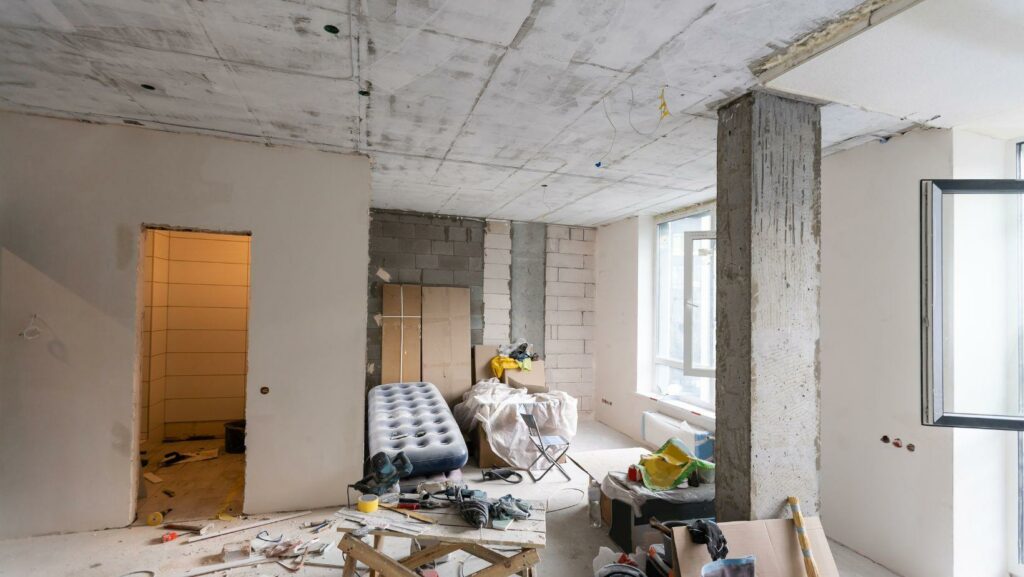
Renovating a unit often sounds straightforward. Smaller space, fewer rooms, less work — at least on paper. Many people assume it’s simply a scaled-down version of renovating a house. In reality, unit renovations come with their own set of challenges, and those challenges are often underestimated until the work begins.
From shared infrastructure to approval processes, renovating within a multi-residential building requires a different mindset. Understanding what tends to catch people off guard can save time, money, and a lot of frustration.
The limits you don’t see at first
One of the biggest surprises in unit renovations is how many decisions are influenced by things outside the apartment itself. Walls, plumbing, wiring, and even flooring are often connected to shared systems that serve the entire building.
People planning apartment renovations frequently discover that they can’t simply move a wall or relocate a bathroom without restrictions. Structural elements, shared pipes, and fire regulations can limit what’s possible, even if the space seems flexible.
Body corporate approval takes longer than expected
Approval processes are often underestimated. Even relatively minor changes may require sign-off from a body corporate or building management.
This can include:
Changes to flooring materials
Plumbing or electrical alterations
Structural or layout modifications
Work that creates noise outside permitted hours
Waiting for approvals can add weeks or months to a timeline. Skipping this step can result in fines or having to undo completed work.
Noise and access rules shape the schedule
Unlike house renovations, unit projects are bound by strict rules around noise, access, and working hours. Trades may only be allowed on-site during certain times, and noisy work can be limited to specific windows during the day.
These restrictions often mean:
Longer project timelines
Less flexibility for trades
Higher labour costs due to shorter workdays
Even simple tasks can take longer when contractors must pack up early or wait for building access.
Waste removal is more complicated
Disposing of renovation waste in an apartment building is rarely as simple as hiring a skip bin. Many buildings prohibit skip bins entirely or require special permissions and fees.
Renovation waste often needs to be:
Carried through common areas
Removed in small loads
Scheduled around lift usage
These logistics add time and cost that many people don’t factor in during planning.
Storage space becomes a real constraint
Units don’t offer much room to store materials, tools, or appliances during a renovation. This creates challenges throughout the project.
Common issues include:
Materials needing just-in-time delivery
Limited space for trades to work efficiently
Increased risk of damage to finished surfaces
Without proper planning, tight spaces can slow progress and increase mistakes.
Small changes have a big visual impact
People often underestimate how impactful small design decisions are in a unit. With limited space, every choice matters more.
Lighting placement, cabinetry proportions, and colour choices can dramatically affect how open or cramped a unit feels. Mistakes are harder to hide, and poor decisions can make the space feel smaller rather than improved.
Trades coordination is more complex than it looks
Renovating in a shared building requires careful coordination between trades. Access limitations, lift bookings, and noise rules mean schedules must be tightly managed.
If one trade runs late, it can delay others, creating a domino effect. In units, there’s far less margin for error compared to standalone homes.
Living arrangements are often overlooked
Many people plan to stay in their unit during renovations, assuming the smaller scale makes this manageable. In practice, this can be far more disruptive than expected.
Limited access to kitchens, bathrooms, and living space can make daily life uncomfortable. Dust, noise, and ongoing interruptions quickly take a toll, especially in compact environments.
Costs add up in unexpected ways
While unit renovations may start with a lower base budget than house renovations, hidden costs can narrow that gap quickly.
Unexpected expenses often include:
Body corporate fees
Additional labour time
Specialist trades for shared systems
Protective measures for common areas
Without a contingency buffer, these costs can derail a budget.
Why planning matters more with units
What most people underestimate isn’t just the complexity of renovating a unit — it’s how important detailed planning becomes. Decisions need to account for building rules, shared infrastructure, and limited space from the outset.
Successful unit renovations are rarely rushed. They’re carefully mapped out, approved properly, and executed with an understanding of the environment they sit within.
When people approach a unit renovation with the same assumptions they’d apply to a house, problems tend to follow. When they recognise the unique challenges early on, the process becomes far smoother and the final result far more rewarding.