
The decision to build a house from scratch is rarely just about shelter. It is about control, expression, and the unique desire to live in a space where no one else has lived before. When you buy an existing house, you inherit someone else’s choices—their layout flaws, their taste in light fixtures, and their view of where the kitchen sink belongs. Designing a custom property strips all of that away, giving you a completely blank canvas to shape your daily environment around how you actually live.
However, moving from a conceptual dream to a finished structure is a complex, multi-layered journey that requires patience, clear communication, and a dedicated team. Finding an experienced custom home builder is the single most critical step in this process. This partnership acts as the anchor for your entire project, transforming architectural drawings into solid foundations, framing, and finishes. A great builder does more than manage subcontractors; they translate your lifestyle needs into physical realities while helping you navigate budgets, building regulations, and structural engineering requirements.
Here is a practical breakdown of how a custom build comes together, what to expect along the way, and how to ensure the final result matches your vision.
1. Setting a Realistic Groundwork: Budget and Site
Long before any concrete is poured, the success of a custom build is decided during the preparation phase. The two major pillars here are your finances and your plot of land.
- The Land Assessment: A plot of land is rarely a neutral canvas. Slope, soil quality, access to local utilities (water, electricity, sewage), and local zoning laws heavily dictate what you can build and how much it will cost. For example, a steep plot might offer incredible views, but it will require significant structural retaining walls and specialized foundation engineering that can eat into your interior finishes budget.
- The Financial Buffer: When structuring a custom build budget, transparency is everything. Hard costs (materials, labor, and structural elements) are easier to quantify. It is the soft costs (permits, architectural fees, site surveys, and temporary living arrangements) that catch people off guard. Always maintain a contingency fund of at least 10% to 15% to absorb unexpected site complications without halting progress.
2. Assembling Your Creative and Technical Team
A common dilemma for anyone embarking on this journey is deciding who to hire first: the architect or the builder. While traditional workflows often place the architect first, an integrated approach where both professionals collaborate early on can save significant time and money.
When an architect and a builder work together from the start, the builder can provide real-time cost estimates while the designs are being drawn. This prevents the heartbreaking scenario where an architect designs a stunning, complex roofline or a massive cantilevered room that looks beautiful on paper but proves completely cost-prohibitive to construct.
3. Designing for Function Over Trends
It is easy to get swept away by design trends on social media—soaring double-height ceilings, ultra-minimalist concrete floors, or expansive glass walls. While visually striking, a custom home should prioritize how your household functions on an ordinary Tuesday morning rather than how it looks in a glossy photograph.
Consider your daily routines. Do you need a dedicated mudroom to handle muddy boots or sports gear before they track into the main living space? Does your work-from-home schedule require acoustic privacy away from the kitchen and living areas? Are you planning to stay in this home long-term, meaning wide hallways and zero-step entries might be smart choices for future accessibility? Designing from the inside out ensures your home supports your life rather than forcing you to adapt to its layout.
4. The Construction Phase: Navigating the Middle
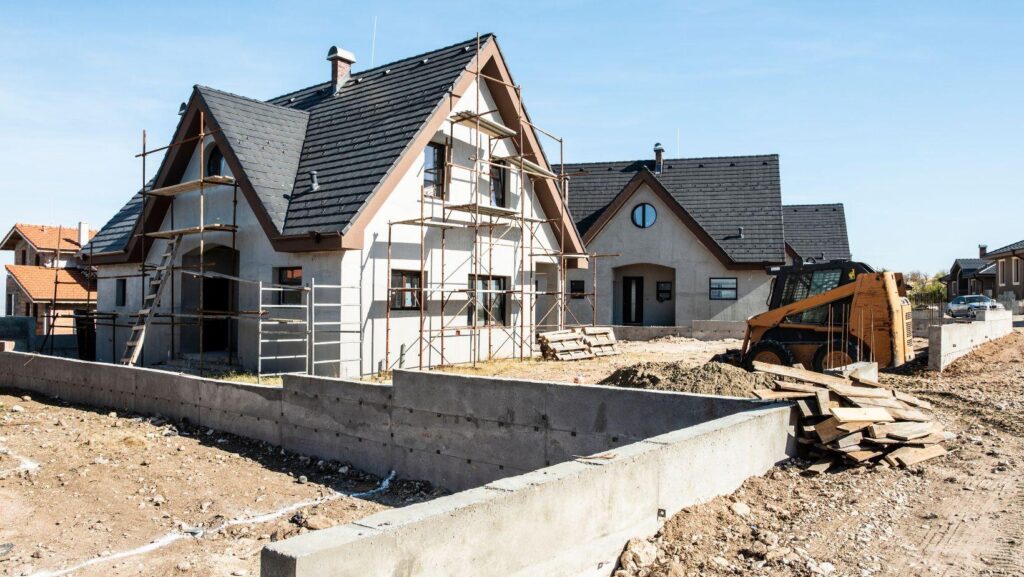
Once ground is broken, the project moves from abstract discussions to the dusty, noisy reality of a construction site. This phase is an emotional roller coaster for most homeowners, shifting from the excitement of seeing walls go up to the fatigue of making hundreds of micro-decisions regarding outlet placements, tile grout widths, and paint undertones.
- Foundations and Structural Framing: This is the fastest, most dramatic phase. The house goes from a hole in the dirt to a recognizable wood or steel skeleton in a matter of weeks.
- The “Slow” Middle Phase: Once the frame is up and the roof is on, progress can feel like it has ground to a halt. This is when plumbing, electrical wiring, HVAC systems, and insulation are installed behind the scenes. Though visually less exciting, this stage is the literal nervous system of your home; getting it right is vital for long-term comfort and energy efficiency.
- The Finishes: Drywall, cabinetry, flooring, and trim represent the final stretch. This is where craftsmanship is most visible, and where clear communication with your build team ensures details match your specifications.
5. Staying Grounded During the Process
The hidden challenge of custom home building isn’t structural; it’s psychological. Decisions fatigue is real. To keep your sanity intact throughout the months of construction, establish clear communication boundaries with your project manager.
Set up a regular weekly walkthrough to review progress, ask questions, and sign off on changes. Trying to micromanage the site daily leads to stress for you and friction for the crew. Trust the systems and professionals you put in place during the planning stages, keep your eyes on the long-term goal, and understand that every delay or modification is simply a step toward creating a space that is truly, entirely yours.