
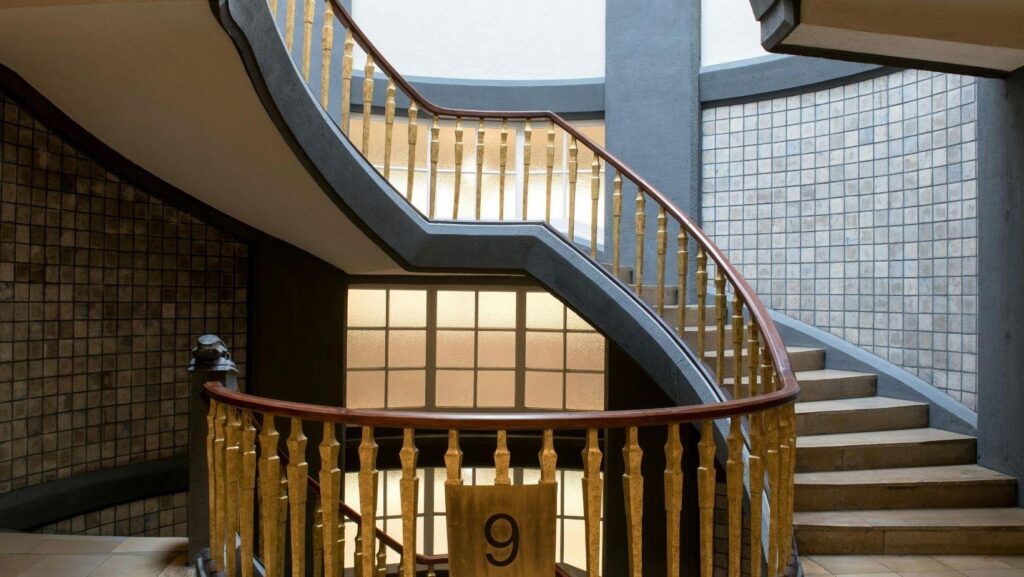
Some staircases just get you upstairs.
Others make the house feel designed.
You know the difference when you see it. One staircase sits there like a leftover from the floor plan. The other changes the whole room before you even notice the furniture. The entry feels taller. The light travels farther. The house suddenly has a cleaner point of view.
That is why a glass railing company can matter so much in a modern interior. The staircase is not only a practical structure anymore. In many homes, it is one of the first things that decides whether the space feels heavy, dated, open, or genuinely architectural.
Why Simplicity Often Looks More Expensive
The staircases that look most expensive usually are not doing the most.
They are doing less, better.
A clean line can feel more refined than a decorative railing. A simple material can look stronger than something busy. A staircase with restraint gives the room space to breathe.
That is the quiet trick behind luxury staircase design now. It does not need to announce itself.
No dramatic scrollwork. No heavy posts fighting for attention. No railing that feels like it belongs to a different house.
Just proportion, lightness, and a sense that someone made a clear decision.
Homebuilding & Renovating notes that modern staircase ideas often use materials like glass, timber, metal, and lighting to make stairs feel more considered as part of the home’s design, not just as a route between floors.
The best staircase does not beg you to look at it.
You look because the room feels better with it there.
Clean Sightlines Affect the Entire Room
A staircase can make a room feel larger or smaller without moving a single wall.
That sounds dramatic, but it is true.
A bulky railing stops the eye. The entry feels tighter. The living room feels more divided. The hallway feels like it has been cut in half.
Clean sightlines do the opposite.
They let you see through the space. They allow the staircase to belong to the room instead of blocking it. The whole interior feels calmer because there are fewer visual interruptions.
This is why contemporary stair railings often look lighter now. The goal is not to erase the staircase. A good staircase should still have presence.
It just should not feel like an obstacle.
There is a big difference between structure and visual noise.
Modern homes are learning that difference fast.
Material Choice Changes Perception
Materials change the mood immediately.
Dark wood can feel rich in the right home. In the wrong one, it can make the staircase look heavy. Thick metal can feel strong, but it can also make a room feel boxed in. Decorative details can add character, or they can make the whole thing feel older than intended.
Lighter materials shift the feeling.
Glass keeps the view open. Slim metal feels clean. Warm wood adds softness. Matte finishes feel calmer than shiny ones because they do not throw glare around the room.
The material does not have to be expensive-looking in an obvious way.
It has to make sense.
A staircase looks more architectural when the railing, flooring, wall color, lighting, and surrounding space seem to belong to the same thought. Nothing feels random. Nothing feels pasted on.
That is what people notice, even when they cannot explain it.
Open Railings Help Interiors Feel Larger
Open railings have a simple effect: they let the house breathe.
Light moves through them. Views continue past them. The upper and lower levels feel more connected. The room feels less chopped up.
This matters most in homes where the staircase is visible from the entry, kitchen, or living room. If the railing is heavy, everyone feels it. If it is lighter, the whole space feels easier.
The World Green Building Council has discussed how bringing natural light indoors can support comfort and wellbeing, which fits with why homeowners keep wanting brighter, more open interiors.
Open railings support that feeling.
- They make the surrounding rooms feel better during normal daily life.
Morning light reaches farther.
The entry feels less crowded.
The stairs become part of the flow instead of a visual wall in the middle of it.
Modern Design Prioritizes Visual Continuity
The best modern interiors feel connected.
The staircase relates to the floors. The railing relates to the windows. The wall color works with the light. The entry does not feel like one design idea while the living room feels like another.
That kind of continuity is easy to feel and hard to fake.
When it is missing, the home feels patched together.
When it is present, even simple spaces feel expensive.
This is especially true in minimalist homes because there are fewer distractions. The permanent details have to carry more of the room. A weak staircase becomes obvious. A strong one quietly holds everything together.
Remodeling projects often improve how much homeowners enjoy their spaces, which makes sense here. Some updates matter because you feel them every day, not because they shout in a listing photo.
A staircase is one of those updates.
You pass it constantly.
You see it from more than one room.
If it feels right, the whole home feels more intentional.
Final Thoughts
Some staircases look architectural because they know when to stop.
They use cleaner lines, better sightlines, thoughtful materials, and less visual weight. They let light move. They make rooms feel connected. They add presence without making the space feel crowded.
That is where modern staircase design is going.
Less bulk.
More flow.
A staircase still has to do its basic job, of course. But in a modern home, it also shapes the atmosphere around it.