
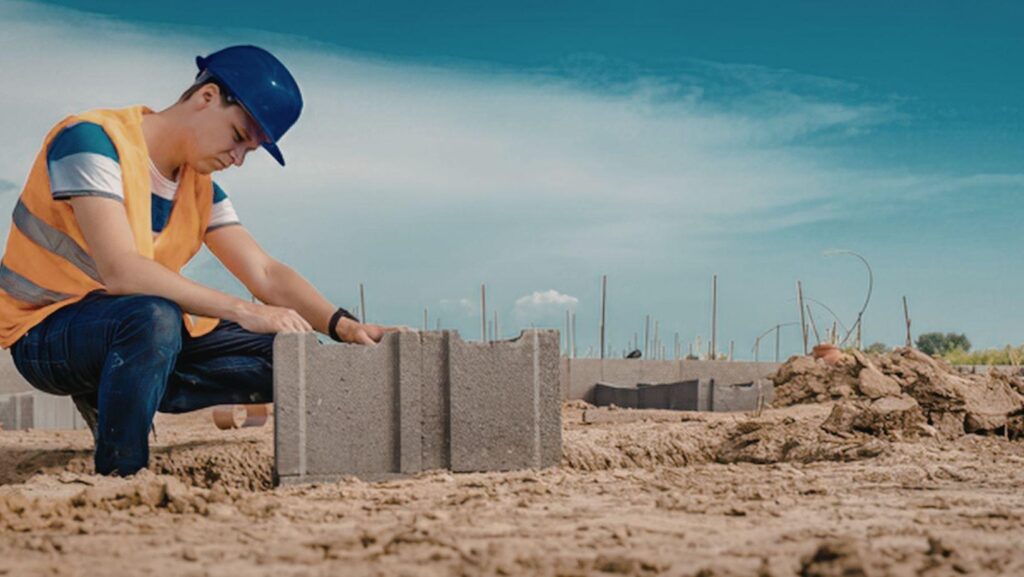
A building can look solid above ground while the real story is happening underneath it. Foundations rely heavily on what was done before concrete was poured, from clearing and grading to drainage planning and soil compaction. Working with an experienced excavation company in Geelong can help make sure the site is shaped, stabilized, and prepared for the structure that will sit on it. Good groundwork is not simply about moving dirt. It is about understanding how the land behaves, where water travels, how soil responds to pressure, and what needs to happen so construction can begin on a dependable base.
Why Soil Conditions Deserve Early Attention
Not all soil offers the same support. Clay can expand and contract as moisture levels change, sandy ground may drain quickly but shift more easily, and filled or disturbed soil may behave differently from undisturbed ground.
That is why site preparation should begin with an understanding of what lies beneath the surface. Contractors may need to remove unsuitable material, bring in appropriate fill, or prepare certain areas differently before foundations are constructed.
Ignoring soil conditions can create uneven support. Over time, that may contribute to movement, cracking, or settlement. A careful start gives the building a better chance of remaining stable.
Grading Helps Control Where Water Goes
Water is one of the biggest influences on long-term ground performance. When a site is shaped poorly, rainwater can collect beside future foundations or flow toward areas that were never intended to handle it.
Professional grading helps establish the right slopes so water moves away from the building and toward suitable drainage points. This may involve raising some areas, lowering others, or creating gentle falls that are barely noticeable once landscaping is complete.
Good grading is often invisible when the project is finished, but its effect can be significant. It protects the ground around the structure and reduces the chance of water creating pressure, erosion, or soft spots near the foundation.
Compaction Creates a More Dependable Base
Freshly moved soil can contain air gaps and loose areas that make it unsuitable for supporting heavy loads. Compaction reduces those spaces and helps create a denser, more stable surface.
The process needs to be done correctly. Different materials require different approaches, and compacting too little can leave weak areas behind. Rushing the work may create problems that only become obvious after construction has progressed.
Experienced earthworks contractors understand how to build up and compact fill in suitable layers. That care can provide a stronger base for slabs, footings, driveways, retaining structures, and other elements that depend on stable ground.
Drainage Planning Should Happen Before Building Starts
Drainage is much easier to manage before the site becomes crowded with walls, concrete, landscaping, and utilities. Early planning allows contractors to account for runoff, groundwater, roof drainage connections, and existing low areas.
Depending on the property, solutions may include drainage trenches, pipes, swales, gravel zones, or changes in site levels. The details vary, but the aim is the same, keep unwanted water from sitting around the foundation zone.
Waiting until after construction to solve a drainage problem can mean digging up finished surfaces or changing landscaping. Addressing it during preparation is usually cleaner, more practical, and less disruptive.
Accurate Excavation Keeps the Project on Plan
Foundation trenches and building pads need to match the required dimensions and levels. Excavating too deeply, too shallowly, or beyond the planned footprint can create unnecessary work for the trades that follow.
Precision matters because each stage depends on the one before it. Builders, concreters, plumbers, and engineers all work from drawings and levels, so inaccurate groundwork can quickly affect scheduling and costs.
Experienced operators use site measurements and appropriate equipment to work accurately. This helps reduce rework and makes it easier for the next stage to begin without correcting avoidable mistakes first.
Access and Equipment Can Change the Approach
Some sites are straightforward, while others come with narrow entrances, steep slopes, nearby houses, trees, fences, or existing structures that must remain protected. These limitations influence which machines can be used and how soil is moved around the property.
A capable contractor considers access before excavation begins. Compact machinery may be better for confined residential areas, while larger equipment can make sense on open sites with heavier earthmoving requirements.
Using the right machine for the setting improves control and can reduce damage outside the work zone. It also helps keep the project moving without forcing equipment into unsuitable spaces.
Poor Preparation Can Create Expensive Problems Later
Foundation issues rarely appear at a convenient time. Cracks, uneven floors, drainage problems, or movement may not become obvious until long after the groundwork is hidden beneath the finished building.
That is what makes preparation so important. Correcting a site before construction is usually simpler than repairing consequences once walls, flooring, services, and landscaping are already in place.
Careful earthworks can also reduce delays during the build. When levels, access, soil, and drainage have been addressed properly, other trades can work from a site that is ready rather than one that still needs unexpected corrections.
Professional Planning Brings All the Pieces Together
Site preparation is not one isolated task. Clearing, excavation, grading, drainage, compaction, and soil management all affect one another. A change in level may influence water movement, while the type of fill used can affect how an area needs to be compacted.
Experienced contractors look at the whole site rather than treating every task separately. They can coordinate machinery, spoil removal, access, levels, and preparation so the work follows a sensible sequence.
That broader view is especially useful on difficult blocks where slopes, rock, limited access, or variable soil conditions make the project less predictable.
A Better Foundation Begins Before the Concrete
The most important foundation work often begins before the foundation itself is visible. Proper site preparation helps create stable ground, manage moisture, establish accurate levels, and give builders a dependable place to start.
Homeowners may never see most of this work once the project is complete, but they can benefit from it for years. A well-prepared site supports the structure in the background, helping reduce avoidable movement, drainage trouble, and costly corrections.
Choosing experienced professionals for excavation and earthworks is more than an early construction decision. It is an investment in everything that comes afterward. When the groundwork is handled with care, the foundation has a stronger chance of doing exactly what it is supposed to do, support the home reliably from the very beginning.