
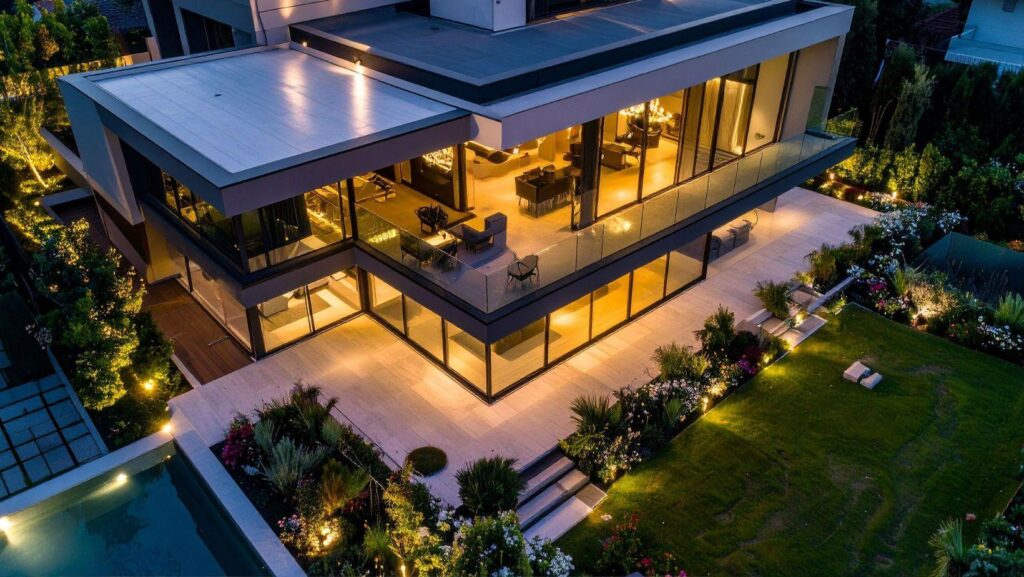
A home feels most complete when every element works together. The shape of the building, the materials used on the outside, the surrounding environment, and the interior decor should feel like parts of the same story rather than separate ideas. While many homeowners focus on decorating individual rooms, the strongest designs come from creating a natural connection between the architecture of a home and the spaces inside it.
Aligning interior decor with the exterior design does not mean everything has to match perfectly. Instead, it is about creating harmony through colours, textures, materials, and design choices that reflect the character of the property. Whether you live in a modern house with clean lines, a traditional home with classic details, or a countryside property surrounded by nature, thoughtful design choices can make the transition from outside to inside feel effortless.
Understand the Architectural Style of Your Home
The first step in creating a cohesive design is understanding the architectural style of your property. Every home has unique features that influence how the interior should look and feel. A contemporary home with large glass windows, open spaces, and minimalist details may work best with modern furniture, simple colour palettes, and sleek finishes. On the other hand, a historic home with original woodwork, decorative mouldings, or traditional features may benefit from classic furniture and timeless materials.
Before choosing paint colours, furniture, or accessories, take a close look at the exterior. Consider the roof style, window shapes, building materials, and overall character of the home. These elements provide inspiration for the interior and help guide your design choices.
Use Exterior Materials as Interior Inspiration
One of the easiest ways to connect your home’s exterior and interior is by repeating materials throughout the space. Natural stone, wood, brick, metal, and glass can all create a visual link between outdoor and indoor areas.
For example, a home with a stone facade can incorporate stone elements in fireplaces, kitchen surfaces, or decorative walls. A house surrounded by wooden details can benefit from wooden furniture, flooring, or ceiling features that bring warmth indoors. These repeated materials create continuity and make the home feel thoughtfully designed.
The goal is not to copy the exterior inside but to take inspiration from it. Small details can have a big impact when they are carefully chosen.
Create a Consistent Colour Palette
Colour is one of the most powerful tools for connecting architecture and interior design. The colours found on the exterior of your home can influence the shades used indoors. This does not mean every wall should match the colour of your home’s exterior, but there should be a sense of flow.
For example, homes with earthy exterior tones can be complemented by warm neutrals, natural greens, or soft browns inside. A modern home with a monochromatic exterior may work well with a simple interior palette featuring whites, greys, and subtle contrasts.
You can also create connections through smaller details such as curtains, cushions, artwork, or decorative objects that reflect outdoor colours.
Consider the Relationship Between Indoor and Outdoor Spaces
Modern home design often focuses on creating a strong connection between indoor and outdoor living areas. Large windows, sliding doors, patios, and gardens naturally encourage this relationship, so the interior should support the feeling of openness.
Furniture placement, lighting, and decor choices can help extend the outdoor atmosphere inside. For example, homes with beautiful gardens can benefit from natural textures, plants, and materials that bring a sense of the outdoors into living spaces.
Outdoor areas should also feel like an extension of the home. Choosing exterior furniture, lighting, and landscaping elements that complement the interior design creates a smoother transition between spaces.
Match the Mood, Not Just the Appearance
A successful interior-exterior connection is about more than matching colours and materials. It is also about maintaining the same mood throughout the property. A coastal-style home may focus on light colours, natural fabrics, and relaxed decor both inside and outside. A luxury modern home may use elegant finishes, clean lines, and sophisticated details throughout.
Think about the feeling you want your home to create. Is it warm and welcoming? Minimal and peaceful? Bold and artistic? Once you define the atmosphere, it becomes easier to make consistent design decisions.
Highlight Unique Architectural Features
Instead of hiding architectural details, use interior design to celebrate them. Features such as exposed beams, large windows, vaulted ceilings, brick walls, or unusual layouts can become the foundation of your decor style.
For example, a home with dramatic windows may benefit from simple furniture arrangements that allow natural light to become a central feature. A house with traditional architectural details can be enhanced with carefully selected pieces that respect its original character.
The best interiors work with the architecture rather than competing against it.
Choose Furniture and Decor That Support the Design
Furniture should complement the structure of the home. Oversized, heavy furniture may feel out of place in a bright modern property, while overly minimalist pieces might not suit a traditional home with rich architectural details. Choosing pieces that reflect the character of the architecture helps create a more balanced and intentional interior.
Pay attention to shapes, materials, and proportions. Rounded furniture can soften a home with strong architectural lines, while structured pieces can complement clean modern spaces. Accessories such as artwork, rugs, lighting, and decorative objects should also support the overall design direction. For homeowners looking to refresh existing furniture while maintaining a cohesive style, The Slipcover Company offers custom slipcover solutions that can transform pieces with fabrics and designs that better match the colours, textures, and personality of the home. This approach allows you to update your interior while keeping furniture that already fits the space.
Small additions can help reinforce the connection between the inside and outside, making the entire property feel intentional.
Creating harmony between your home’s architecture and interior decor is about finding balance. The exterior of a property provides the foundation, while the interior adds personality and comfort. By paying attention to architectural style, materials, colours, and the relationship between indoor and outdoor spaces, you can create a home that feels connected from every angle.
A well-designed home does not simply look beautiful room by room. Instead, every element works together to create a complete experience where the architecture and decor tell the same story.