
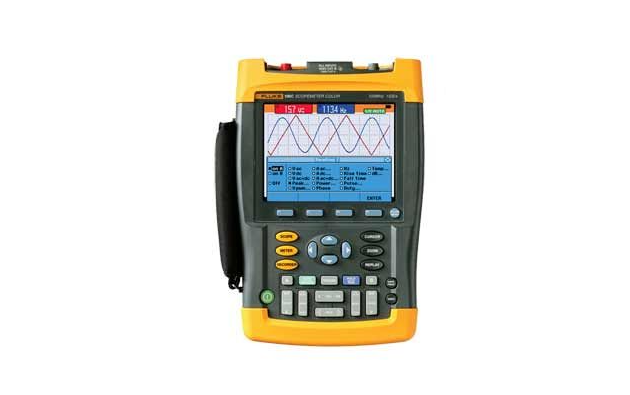
Accurate measurement is essential when working with electronic components, and oscilloscopes remain a fundamental tool in testing and analysis. Many professionals turn to refurbished units to manage costs without saacrificing performance. However, achieving reliable accuracy from a refurbished and reliable used oscilloscope depends on careful selection and thorough evaluation.
Understanding Refurbished Oscilloscopes
Refurbished oscilloscopes are previously used devices that have been restored to full working condition through thorough inspection, repair, and calibration. This process may be carried out by the original manufacturer or a certified third-party provider. While refurbished units are typically more affordable than new models, their reliability depends heavily on how thoroughly they have been restored and tested.
Calibration and Certification
Calibration is the foundation of measurement accuracy. A refurbished oscilloscope should be calibrated according to recognised industry standards, ensuring that its readings are consistent and dependable. A valid calibration certificate confirms that the device has undergone proper testing and meets required specifications. Without this verification, there is a higher risk of inaccurate measurements.
Physical Condition Assessment
The external condition of the oscilloscope can provide useful insight into its overall quality. Signs such as worn buttons, loose connectors, or a dim or damaged display may indicate heavy use. While minor wear is expected, significant physical issues may indicate underlying faults that could affect performance. A careful inspection helps identify potential concerns before purchase.
Choosing a Reputable Seller
The reliability of a refurbished oscilloscope is closely tied to the credibility of the seller. Established vendors often provide detailed information about the refurbishment process and include warranty coverage. They are also more likely to follow strict quality control procedures. Reviewing customer feedback and verifying the seller’s reputation can help reduce the risk of acquiring a substandard unit.
Features and Specifications
It is important to ensure that the oscilloscope meets the technical requirements of its intended use. Key specifications include bandwidth, sample rate, memory depth, and the number of channels. Even older refurbished models can deliver accurate results if their capabilities align with the application. Selecting appropriate specifications helps maintain measurement precision in practical scenarios.
Software and Compatibility
Modern oscilloscopes often rely on software to support advanced features and data analysis. A refurbished unit should be compatible with current systems and capable of receiving updates if necessary. Ensuring compatibility with existing equipment and interfaces is essential for smooth integration into a workflow. Lack of software support may limit functionality over time.
Refurbishment Process Transparency
Understanding the refurbishment process can provide confidence in the device’s reliability. A thorough process typically includes component testing, replacement of worn or outdated parts, firmware updates, and final quality checks. Sellers who clearly outline these steps demonstrate a commitment to maintaining performance standards.
Performance Testing
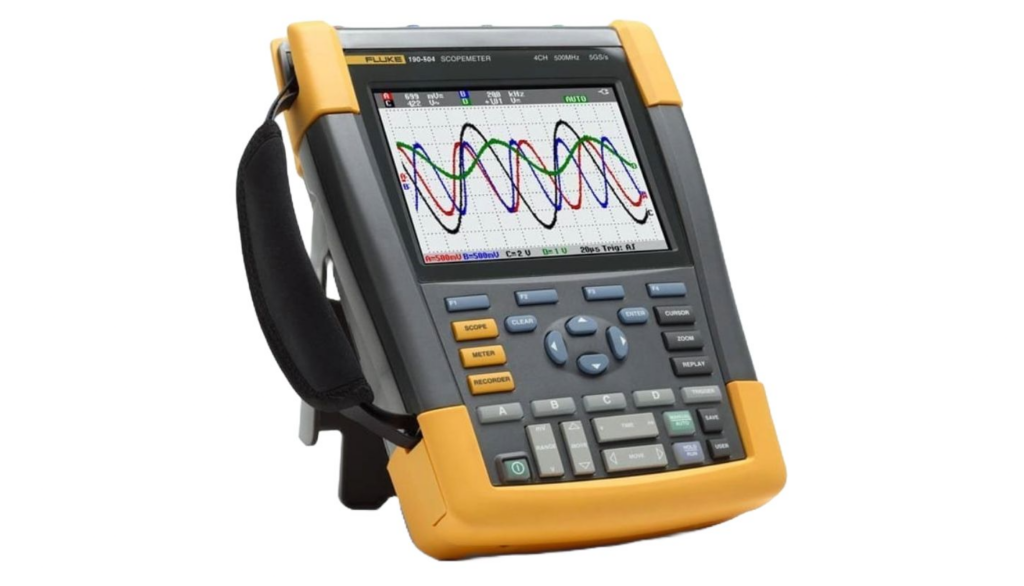
Testing the oscilloscope before purchase, when possible, is a valuable step. Running basic signal tests allows verification of accuracy, stability, and responsiveness. This process helps confirm that all features function correctly and that the device performs consistently under different conditions. Practical testing can reveal issues that may not be evident from specifications alone.
Warranty and Support
Warranty coverage provides additional security when purchasing a refurbished device. A reliable seller should offer a warranty that includes both parts and labour for a reasonable period. Access to after-sales support ensures that any issues can be addressed promptly, reducing potential downtime and maintaining productivity.
Cost and Long-Term Value
While refurbished oscilloscopes are chosen for their lower upfront cost, value should be assessed over the long term. A slightly higher investment in a well-maintained unit with better specifications may result in greater reliability and fewer repair needs. Considering factors such as lifespan, maintenance, and performance helps determine the true cost of ownership.
Usage History
Information about previous usage can offer useful context when evaluating a refurbished oscilloscope. Some suppliers provide details about how the device was used and any repairs carried out during refurbishment. A clear history can help identify whether the unit has been heavily used or exposed to demanding conditions.
Technical Support and Resources
Ease of use and ongoing support are important considerations. Access to user manuals, training materials, and technical assistance ensures that the oscilloscope can be operated effectively. Proper use of the device contributes to maintaining measurement accuracy and extending its service life.
Brand Reliability
The reputation of the manufacturer plays a role in the long-term performance of the oscilloscope. Brands known for producing high-quality measurement equipment are generally a safer choice, even in the refurbished market. Their products are often designed with durability and precision in mind, making them more dependable over time.
Functional Capabilities
Some refurbished oscilloscopes include advanced features such as enhanced triggering options, improved signal clarity, and higher resolution displays. These capabilities can support more precise measurements and expand the range of applications. Evaluating these features in relation to specific needs helps maximise the value of the device.
Conclusion
Selecting a refurbished oscilloscope requires careful consideration of several factors, including calibration, physical condition, specifications, and seller reliability. Each element plays a role in ensuring that the device delivers accurate and consistent results. By evaluating these aspects thoroughly, professionals can obtain a cost-effective solution without compromising measurement quality.